
Information
Information signs in a blue or green rectangle provide directions, distances and route guidance.
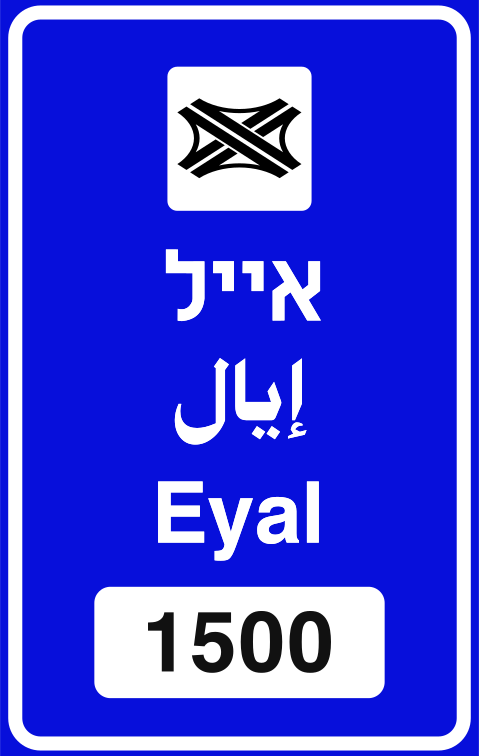
- Interchange or Junction Name
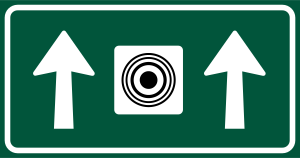
- Overhead guidance (interchange)
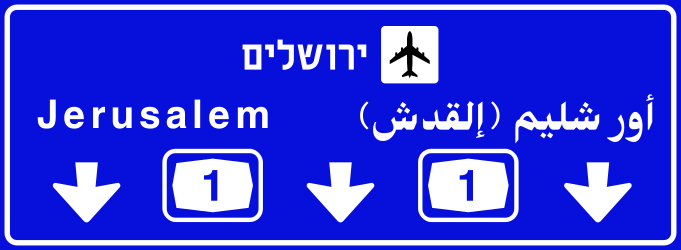
- Overhead guidance (junction)
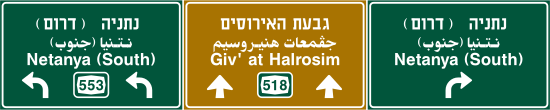
- Advance Destination Guidance Before Junction
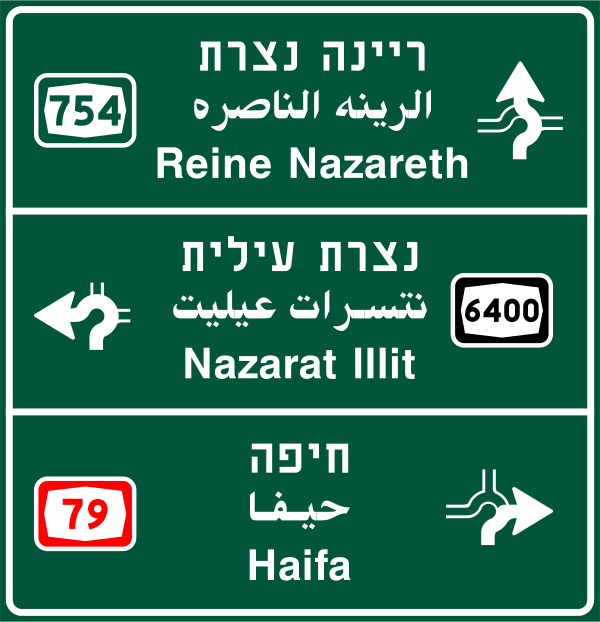
- Two Consecutive Close Exits
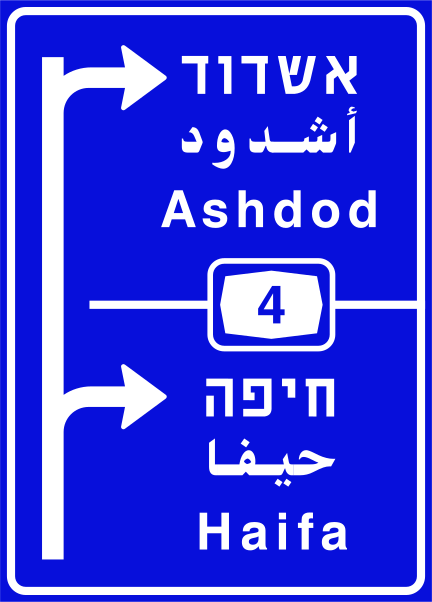
- Exit Guidance
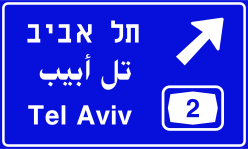
- Exit Only Lane
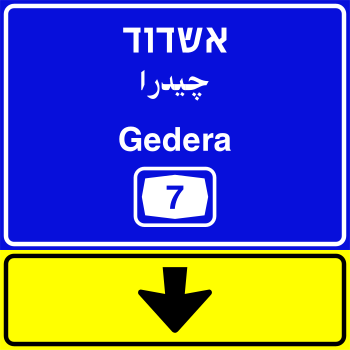
- Exit Location
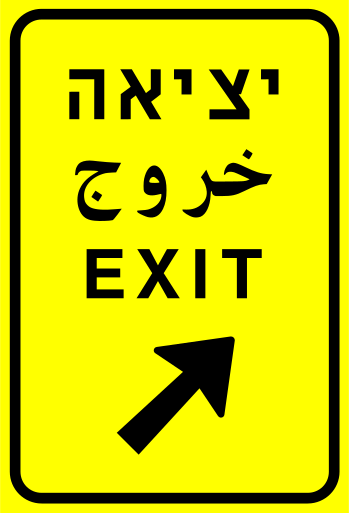
- Upcoming Exits
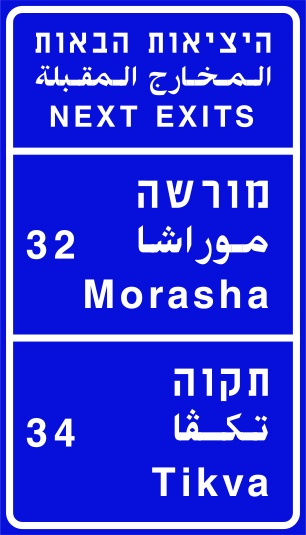
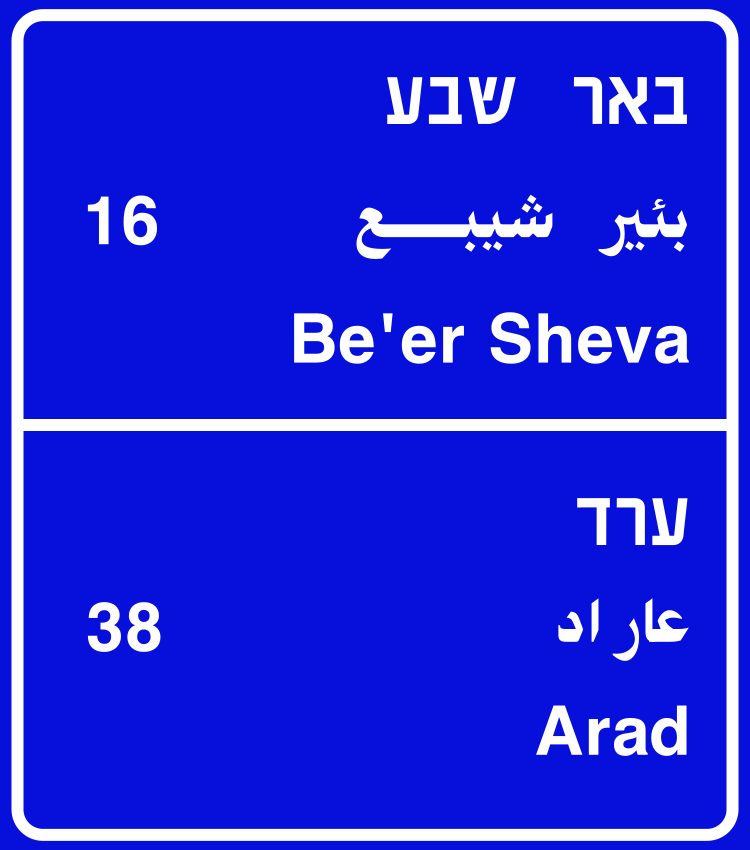
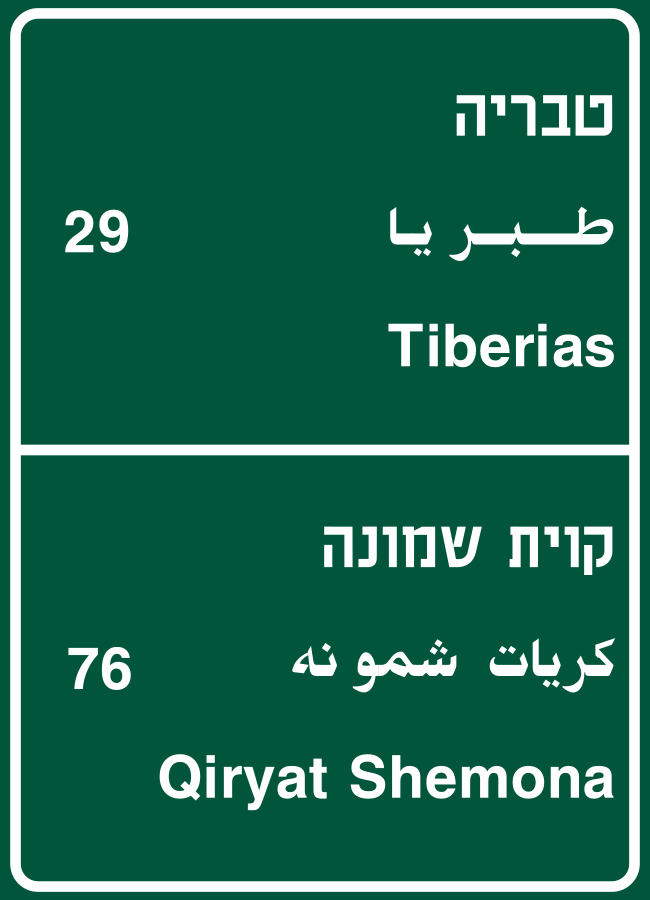
- Destinations on Non-Urban Roads
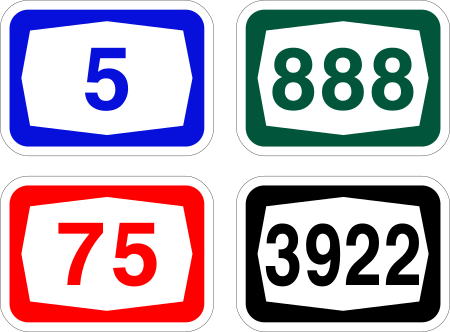
- Road Number
- Kilometer Marker
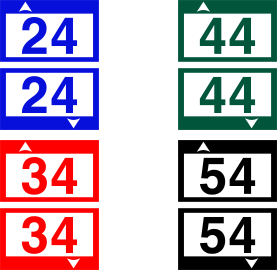
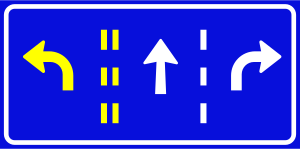
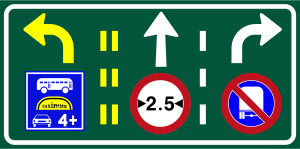
- Lane Movement Definitions
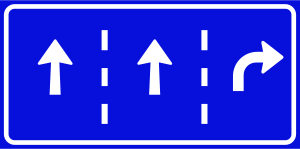
- Urban Road Destination Guidance
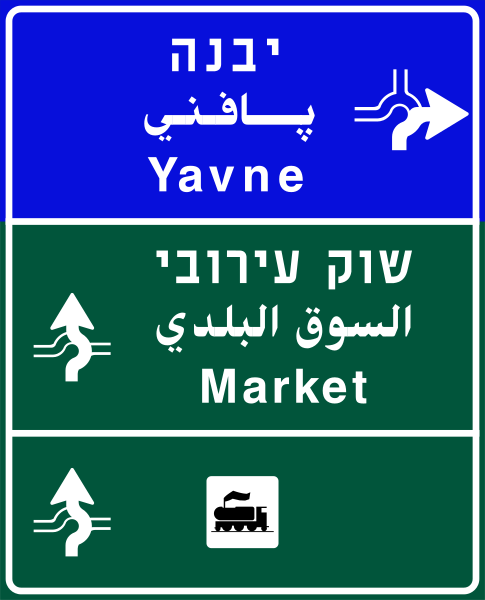
- Overhead guidance (urban interchange)
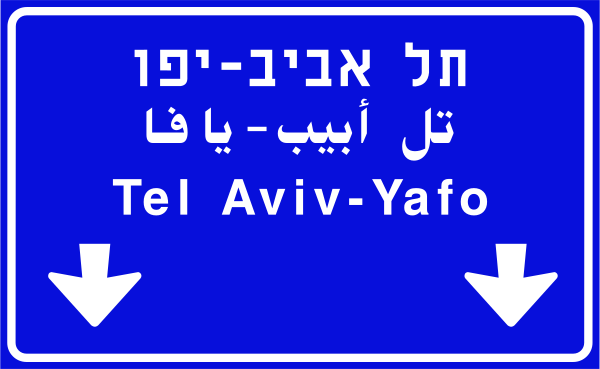
- Overhead guidance (urban junction)
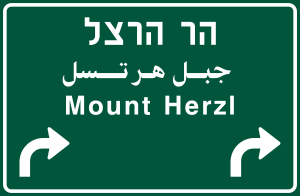
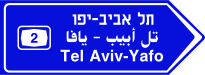
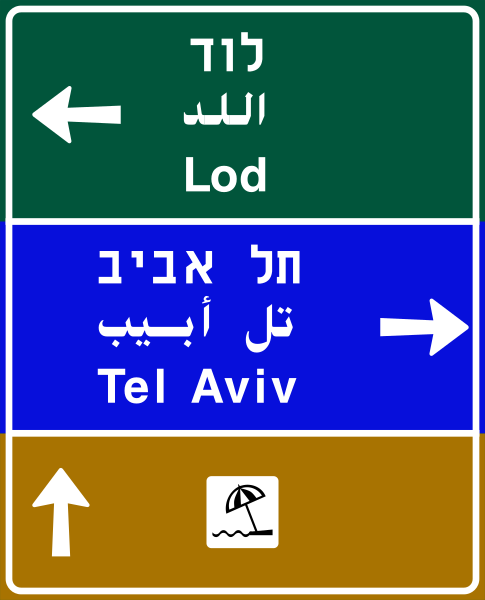
- Direction Sign at Junction or Interchange
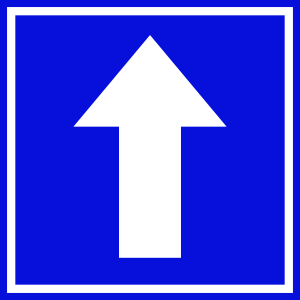
- One-Way Road
- Lane Change - Lanes Increasing
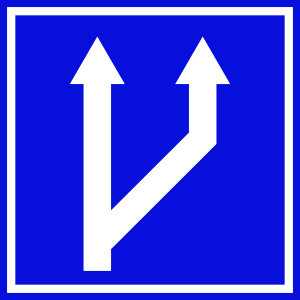
- Lane Change - Lanes Increasing
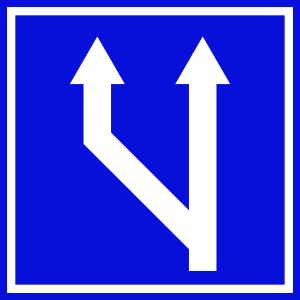
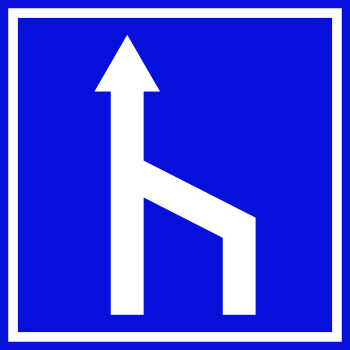
- Lane Change - Lanes Decreasing
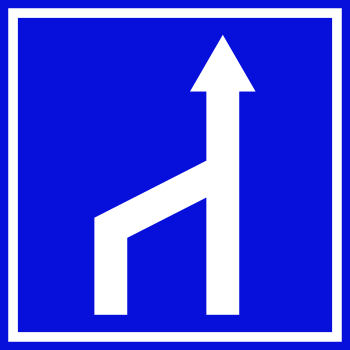
- Lane Change - Lanes Decreasing
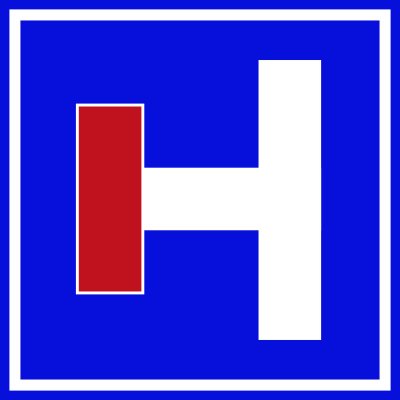
- Dead End Road
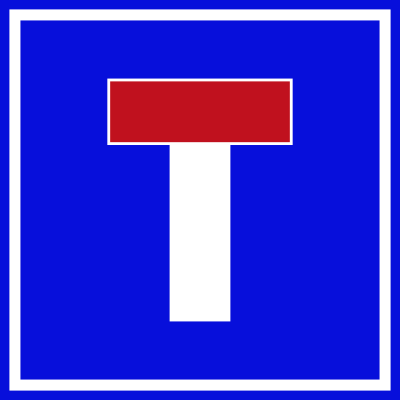
- Dead End Road on Right
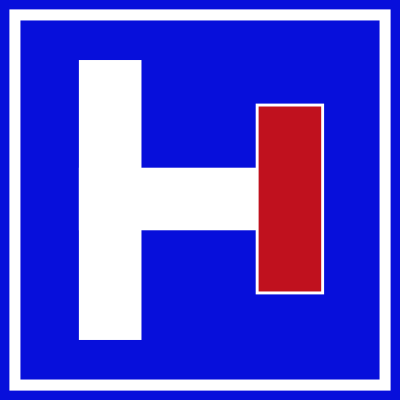
- Dead End Road on Left
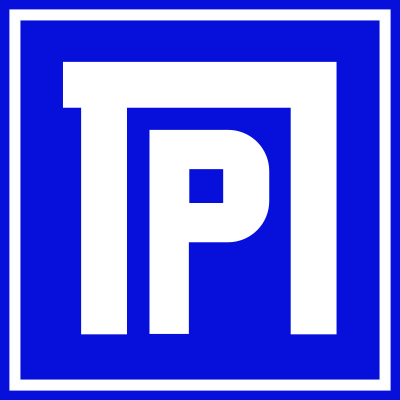
- Vehicle Parking
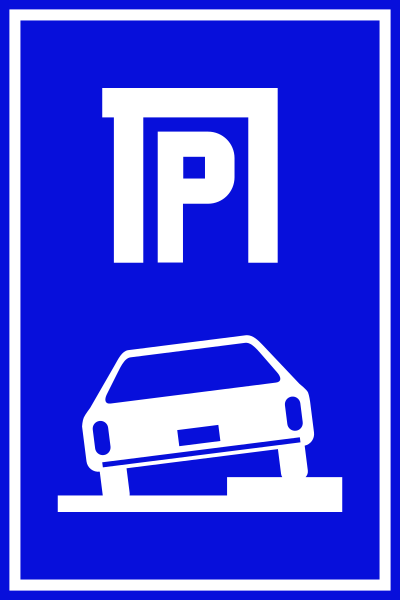
- Sidewalk Parking for Light Vehicles
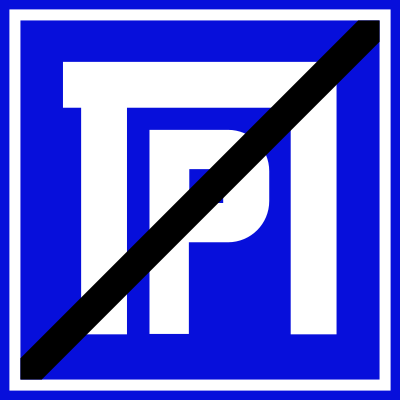
- End of Permitted Parking Area
- Warning or Information Sign
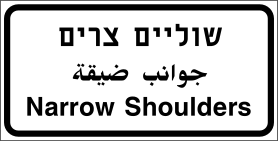
- At Distance in Meters
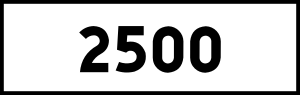
- Along Section Ahead
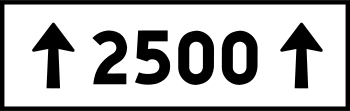
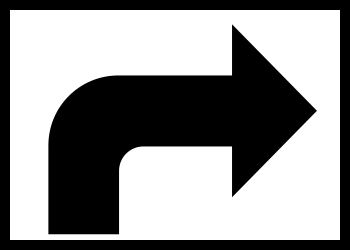
- The message on the sign above is intended for those turning in the direction of the arrow
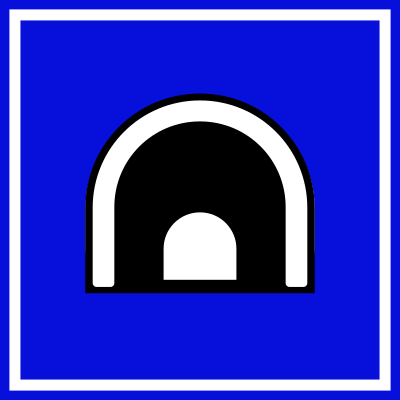
- Tunnel
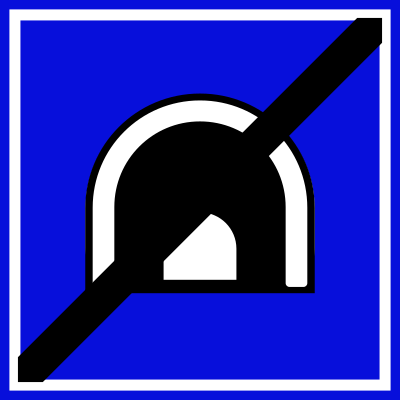
- End of Tunnel
- Fire hazard
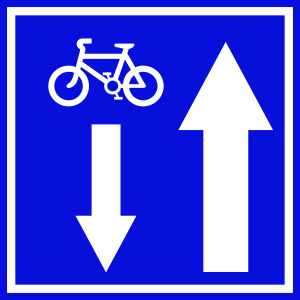
- One-way (bicycles both ways)
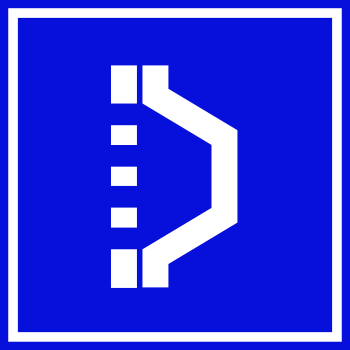
- Emergency Stopping Bay
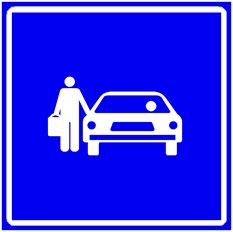
- Passenger pick-up and drop-off area
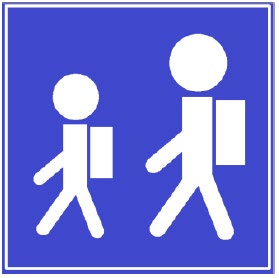
- Educational institutions zone
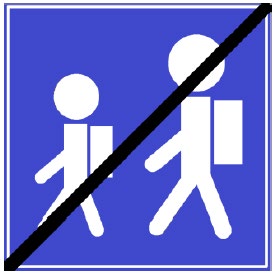
- End of educational institutions zone
- Interchange or Junction Name
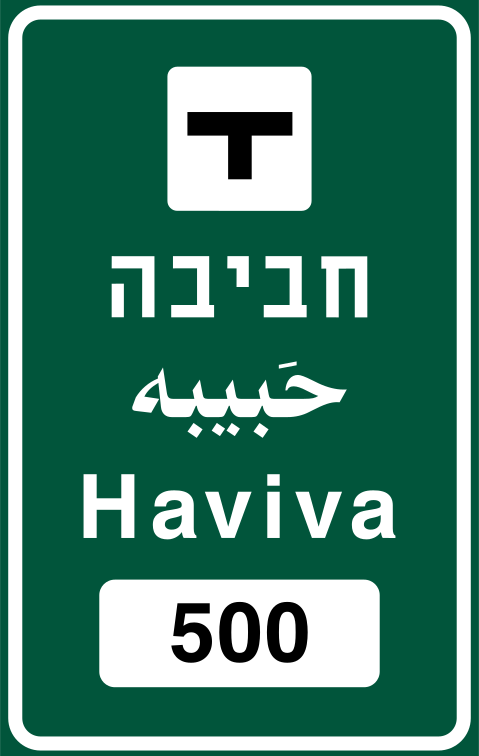
- Interchange or Junction Name
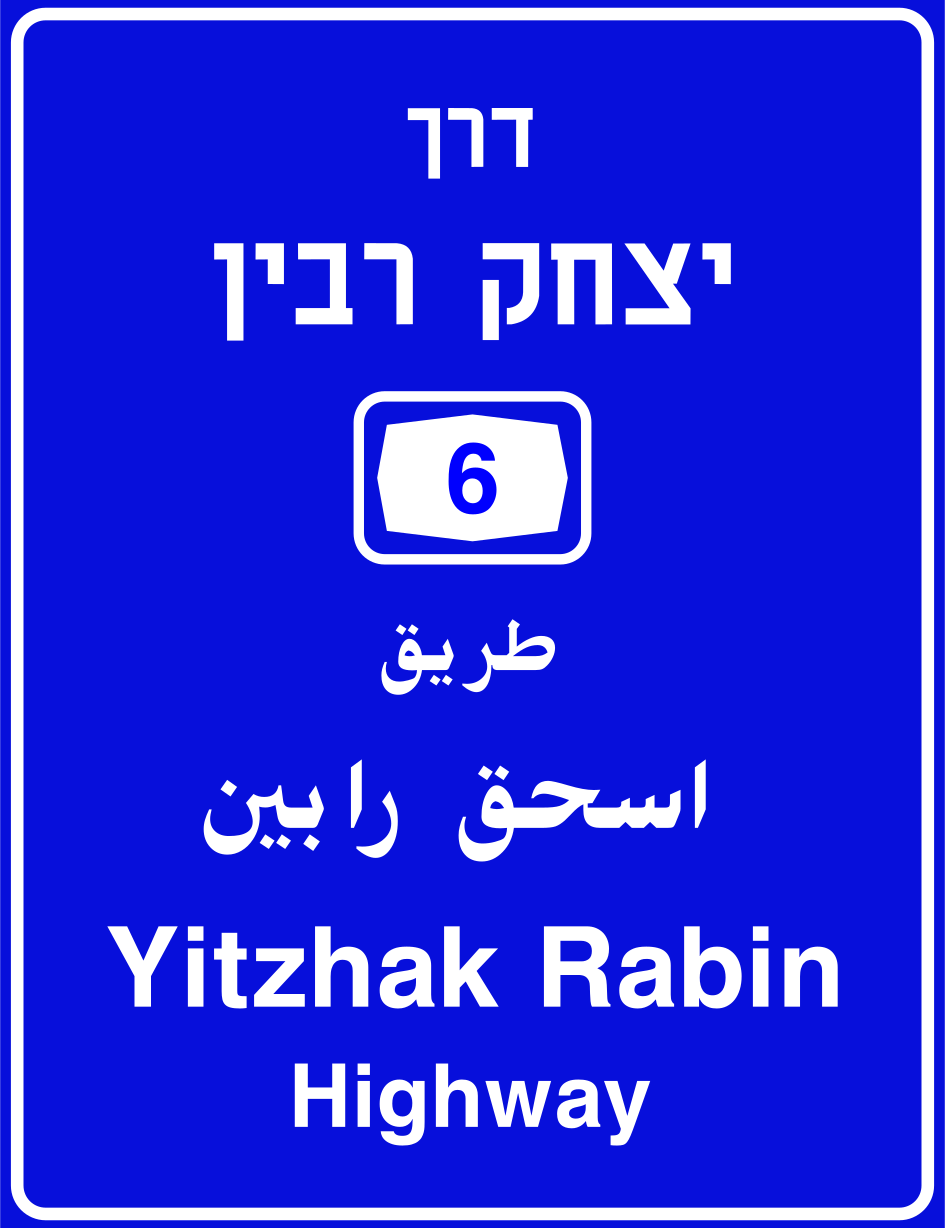
- Interchange or Junction Name
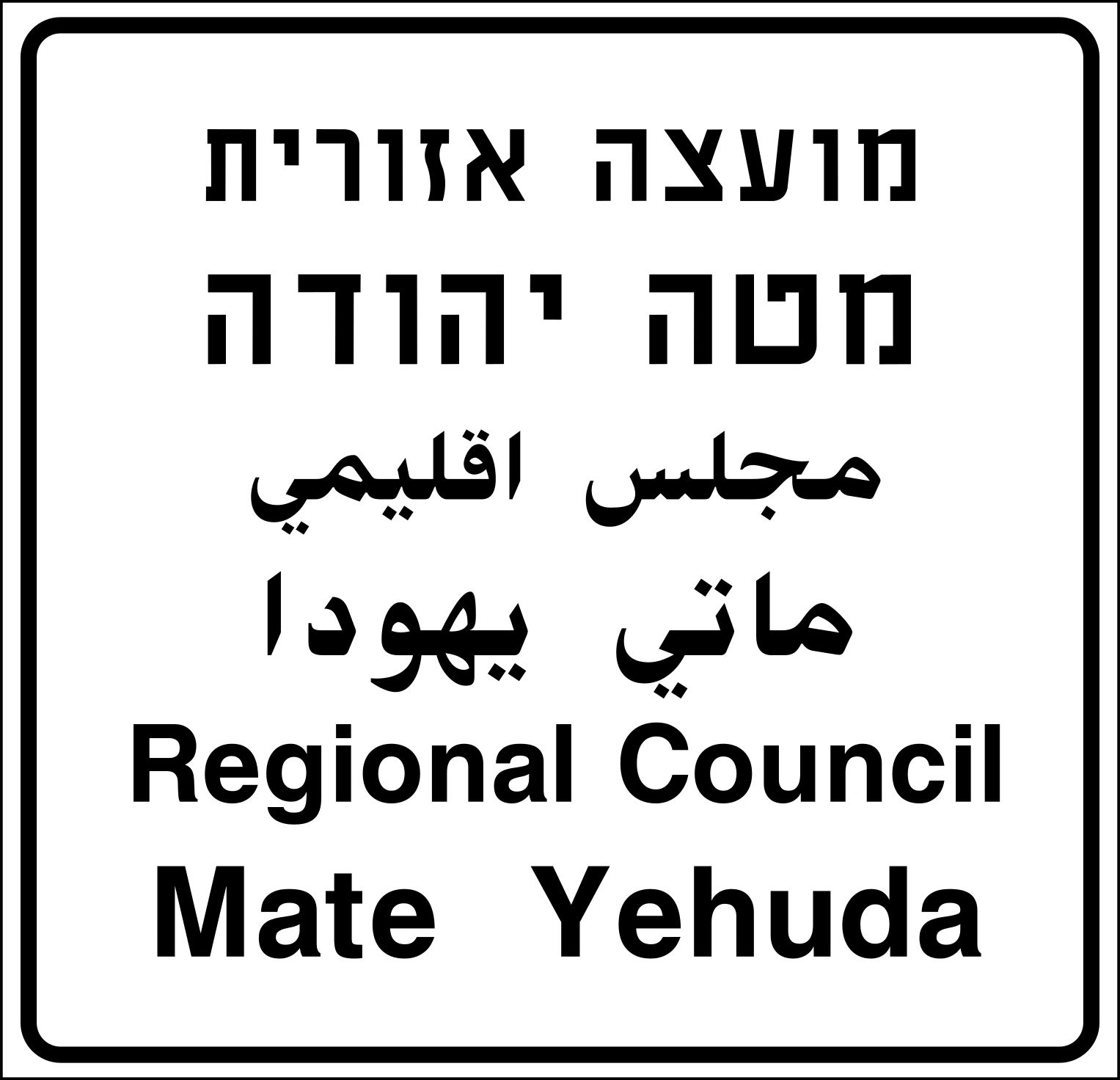
- Overhead Lane Guidance Before Interchange
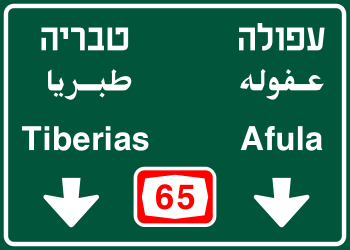
- Advance Destination Guidance Before Junction
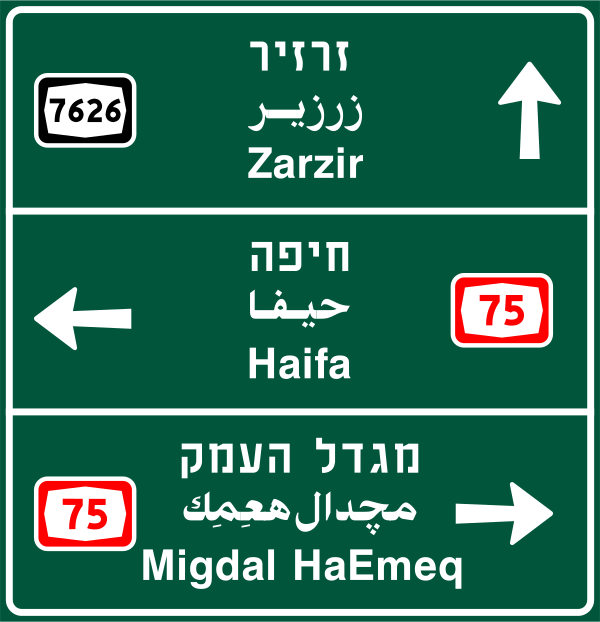
- Two Consecutive Close Exits
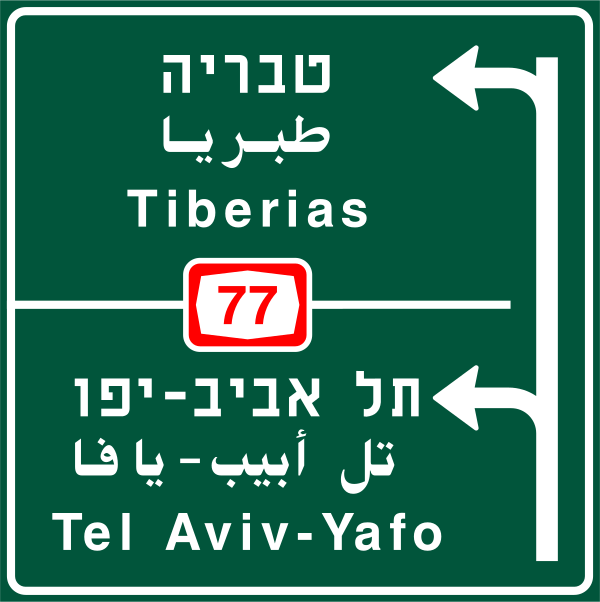
- Exit Guidance
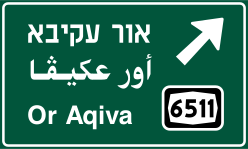
- Exit Only Lane
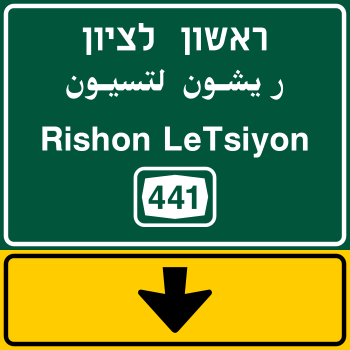
- Upcoming Exits
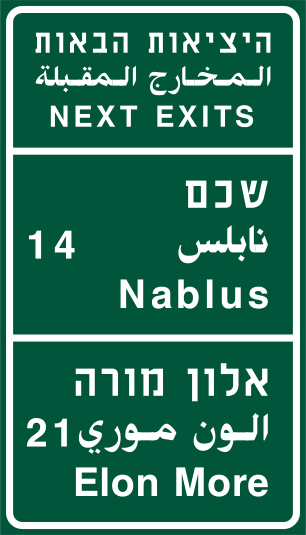
- Destinations on Non-Urban Roads
- Lane Movement Definitions
- Lane Movement Definitions
- Urban Road Destination Guidance
- Overhead lane guidance before an interchange on an urban road
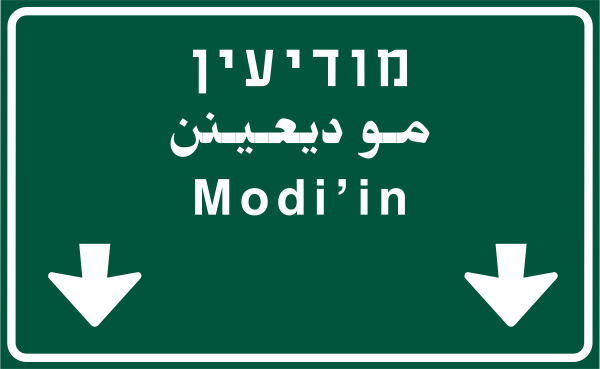
- Overhead lane guidance before a junction on an urban road
- Direction Sign at Junction or Interchange
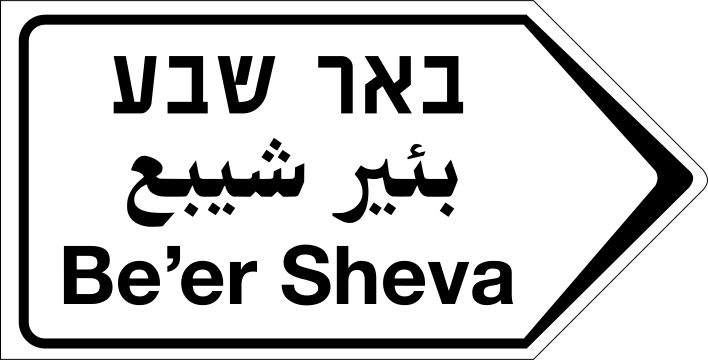
- Direction Sign at Junction or Interchange
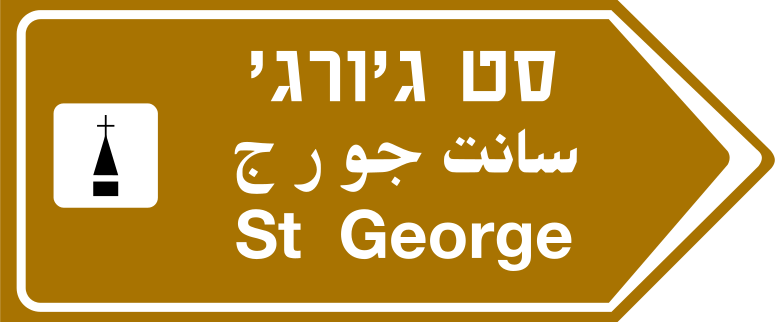
- Warning or Information Sign
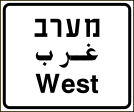
- Warning or Information Sign
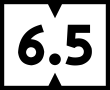
- Warning or Information Sign
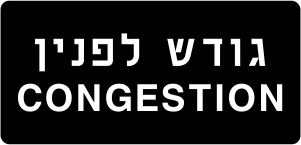
Signs
Study signsAbout these signs
Information and direction signs are the rectangles that line the road — and that's the first thing to fix in your mind: a red triangle warns and a circle orders, but a rectangle only guides and informs. There's no red border and no command behind it. Here the background tells you which kind of road you're on: green for fast roads (expressways), blue for the interurban roads between towns, and white for the direction signs inside a town itself. Blue also carries the service symbols — parking, fuel, hospital. The text or symbol inside says where, how and how far.
This family never orders — it travels with you. Here you'll find the arrow of a one-way street, the 'no through road' (dead-end) sign, the white P for parking, the destination-and-distance boards at junctions, the lane arrows showing where each lane leads, and the service symbols — fuel station, hospital, first aid, a place to park. The signs marking the entry to and exit from a town, and the blue pedestrian-crossing sign, belong here too: all give information, not an instruction.
The common mix-up is rectangle versus circle: an arrow on a blue rectangle only tells you the street is one-way, while the same arrow inside a blue circle orders you to turn or go straight. The blue pedestrian-crossing sign also gets confused with the red warning triangle for pedestrians. On Move you learn the difference in the sign library, drill the family until recognition is instant, and the smart review queue brings back exactly the rectangles you muddled — in English or any of six languages, free.
Frequently asked questions
How do I tell an information sign from a mandatory sign?
Both can be blue, but the shape decides. A mandatory sign is a blue circle and it's an order: go straight, turn right, cycle lane. An information sign is a blue, green or white rectangle and it only guides: the destination is this way, parking here, the street is one-way. If it's round, you must obey; if it's rectangular, it's knowledge that helps you choose, not a command. Remember the shape rule and you won't slip.
What do the colours — green, blue and white — mean in this family?
All three guide, but the background marks the type of road. Green is for fast roads — destinations, distances and directions on the expressway. Blue is the guidance colour for the interurban roads between towns, and it also carries the service symbols: parking, fuel, hospital. White is for guidance inside a town — local streets and destinations. All are rectangles; the colour hints which road the sign belongs to, but always read the text and symbol too to be sure.
How do I memorise the whole set?
You don't learn every board — you spot the logic. Once you know a green, blue or white rectangle only informs and never commands, all that's left is reading the symbol: P for parking, an arrow for direction, a bed for hospital. Group them by job — destinations and distances, services, lane and street management — and drill each group. On Move the sign library sorts the family for you, and practice plus the review queue bring back the ones that haven't stuck.
How are information signs tested, and can I study in my language?
In the test a picture of a guidance rectangle — green, blue or white — appears with a multiple-choice question about its meaning: where it points, what it marks, or the right way to act on it. The image is international, but on Move the wording and explanation appear in six languages. Understand the meaning in your mother tongue first — one-way, dead end, destination and distance — then practise in Hebrew to get used to the exam's phrasing. That way an unfamiliar word won't trip you.