
Mandatory
Mandatory signs in a blue circle indicate required actions — disobeying is a traffic offence.
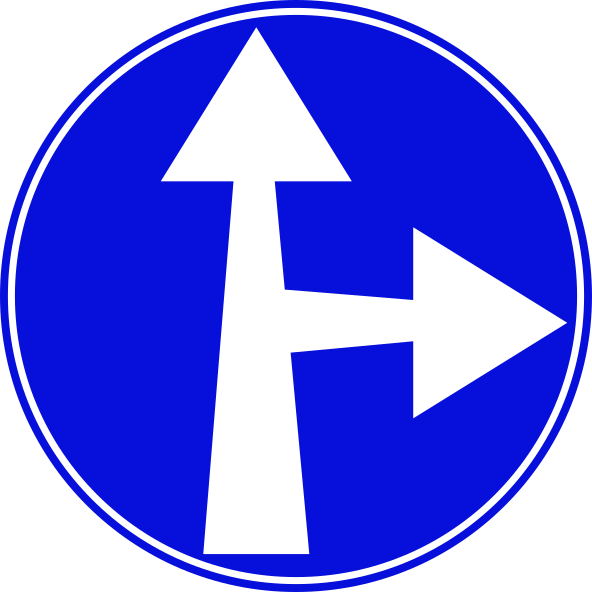
- Go straight or turn right
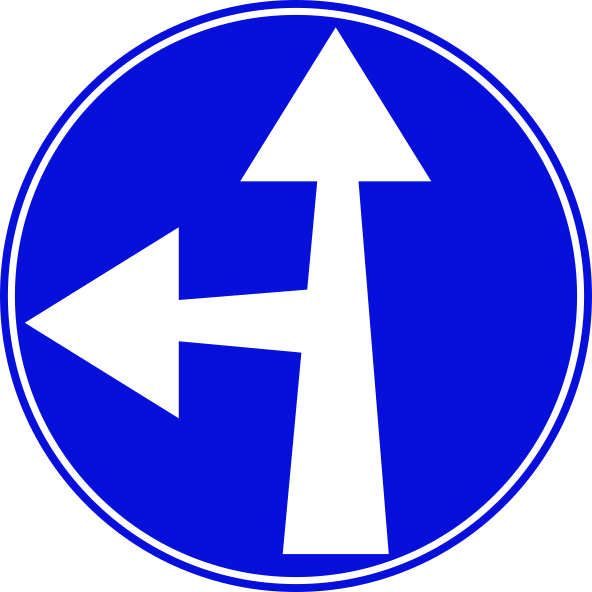
- Go straight or turn left
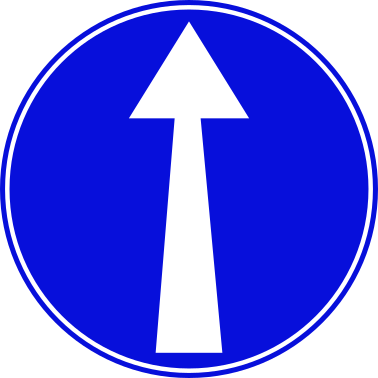
- Go straight
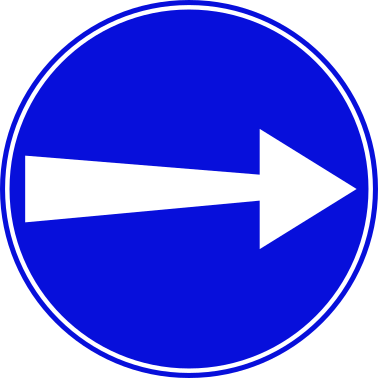
- Go right, turn before the sign
- Go left, turn before the sign
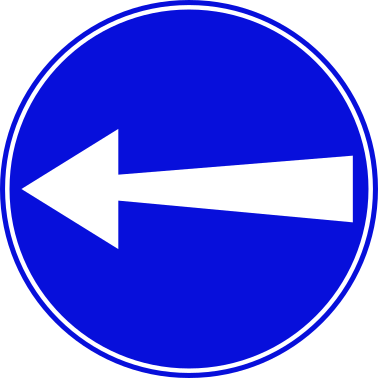
- Go right, turn after the sign
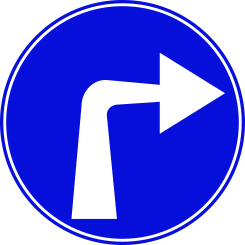
- Go left, turn after the sign
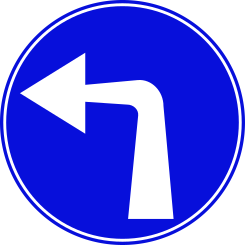
- Go right or left
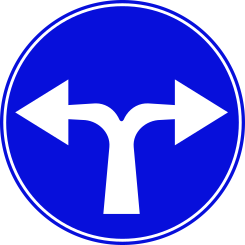
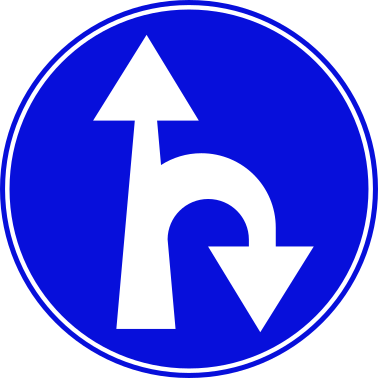
- Go straight or make a U-turn to the right
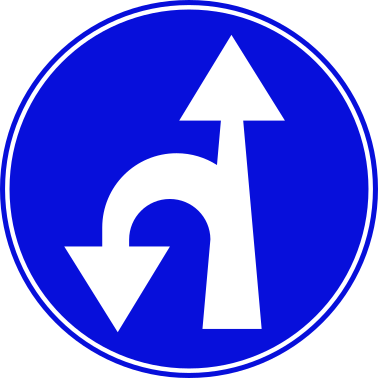
- Go straight or make a U-turn to the left
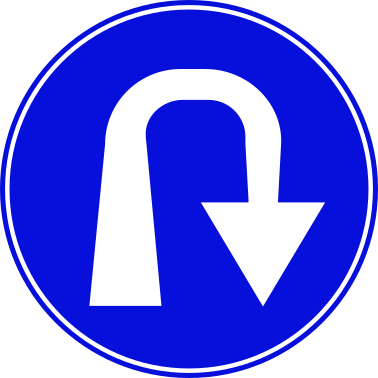
- U-Turn Right Only
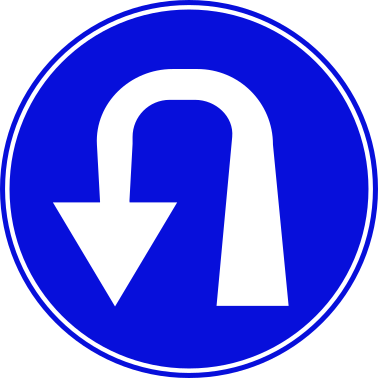
- U-Turn Left Only
- Pass the marked place on the right or left
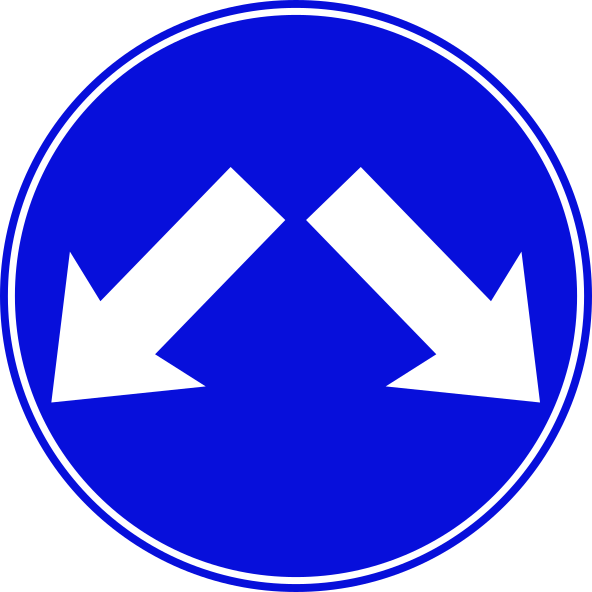
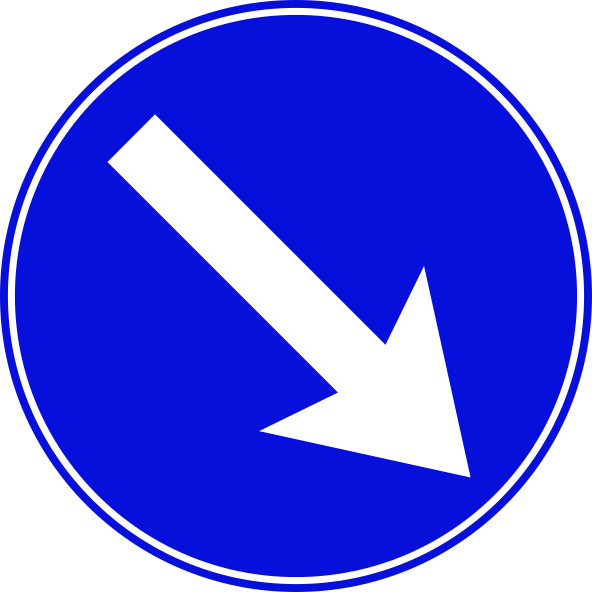
- Pass the marked place on its right side
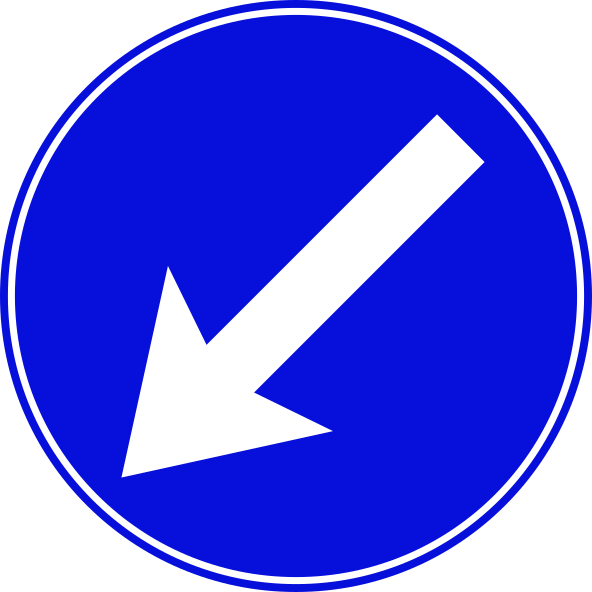
- Pass the marked place on its left side
- Expressway entrance
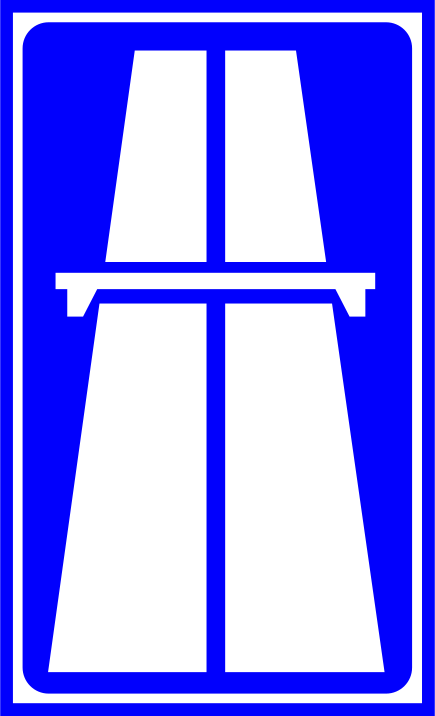
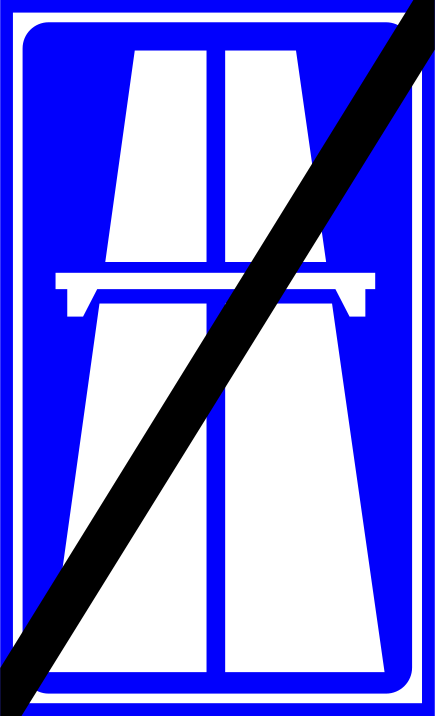
- End of Expressway
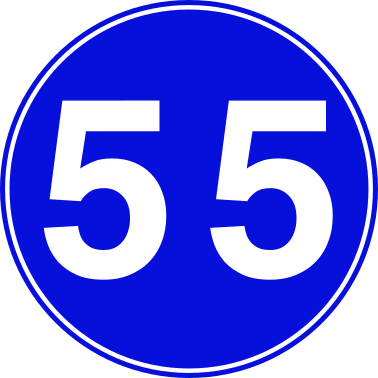
- Road for Motor Vehicles at Minimum Speed
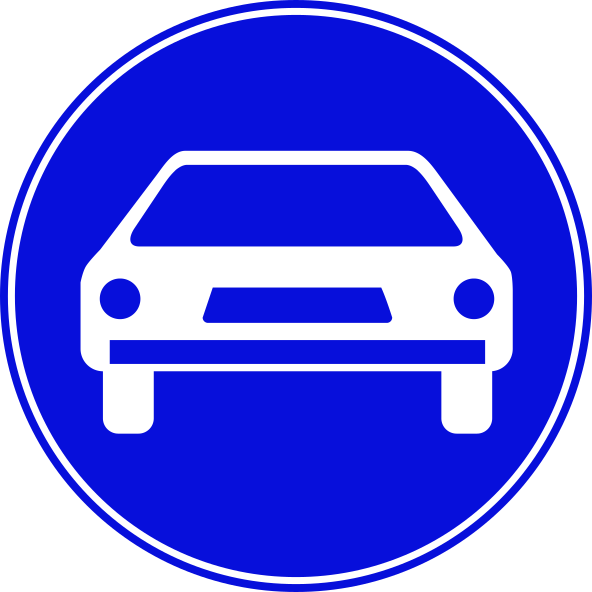
- Road for Motor Vehicles Only
- Shared Street
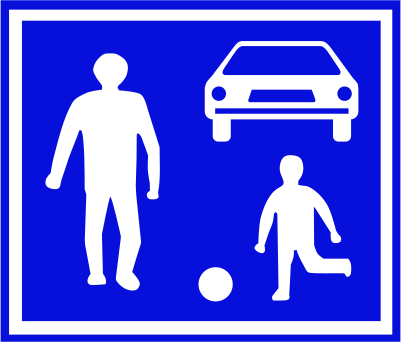
- End of Shared Street
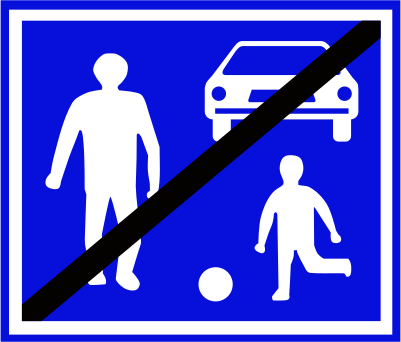
- Traffic Calming Zone
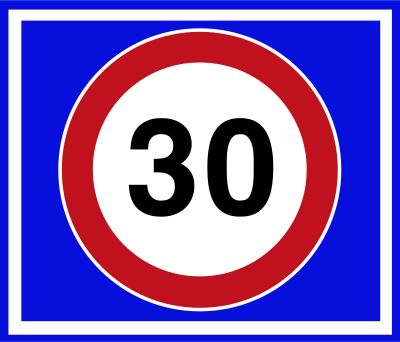
- End of Traffic Calming Zone
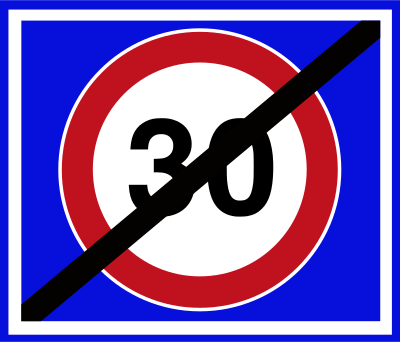
- One-Way Bicycle Lane
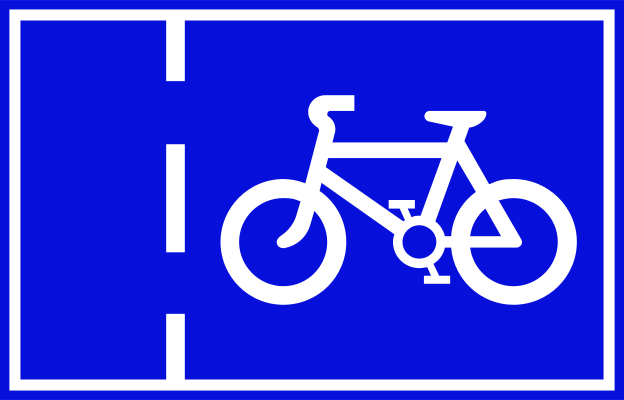
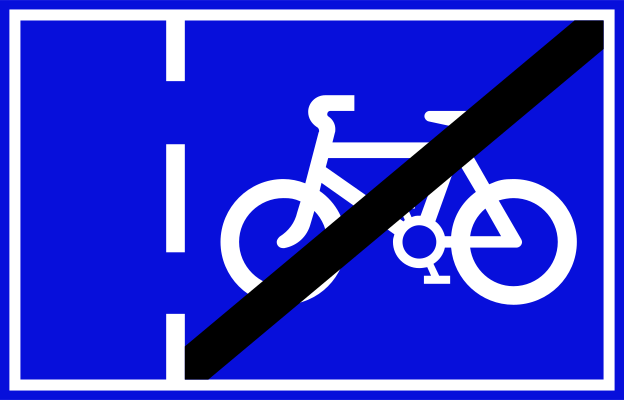
- End of bicycle lane
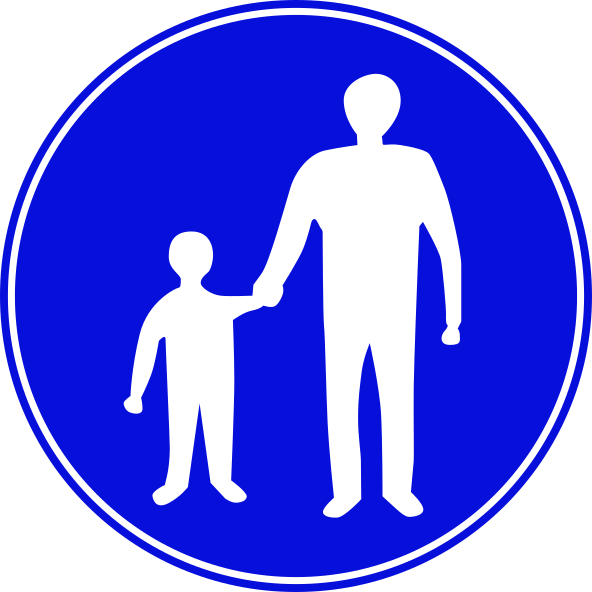
- Pedestrians only path
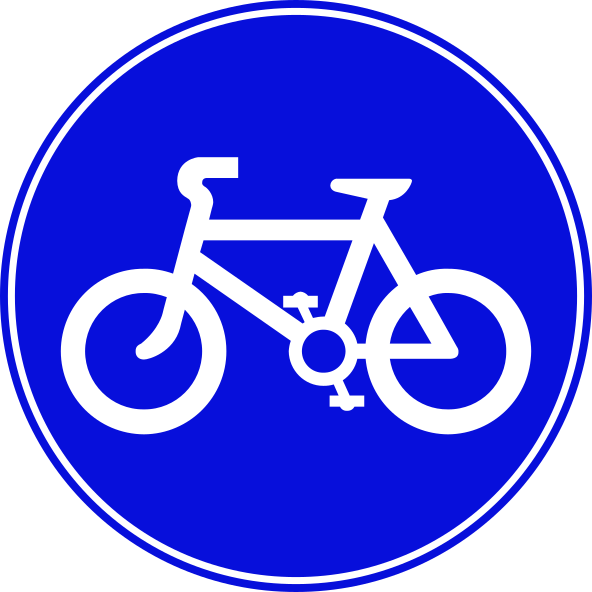
- Bicycle path
- Shared path for pedestrians and bicycles
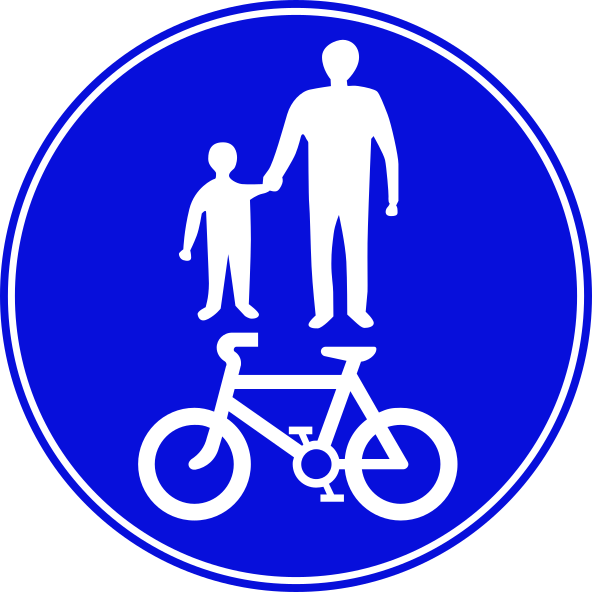
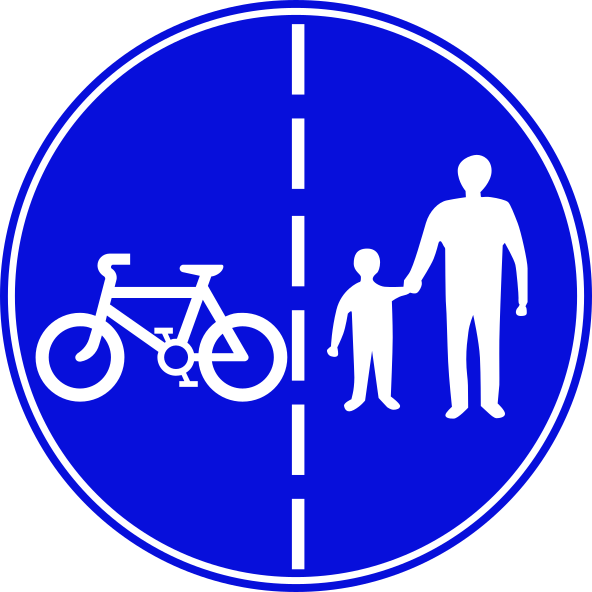
- Separate path for pedestrians and bicycles
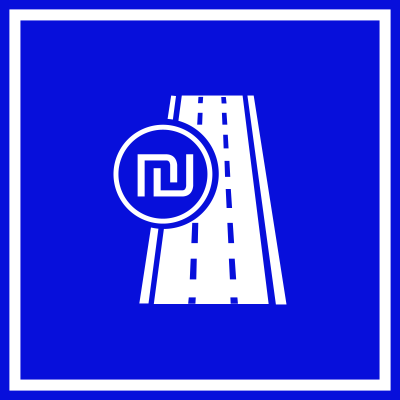
- Toll Road or Lane
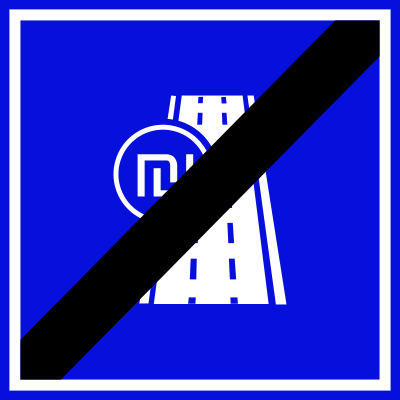
- End of Toll Road or Lane
Signs
Study signsAbout these signs
Mandatory signs are the family that tells you what you must do — not what you can't. You spot them instantly: a solid blue circle carrying a white arrow or symbol. The blue colour is the key. Where a red circle forbids, a blue circle commands a positive action: which way to turn, which side to keep, which lane to use. When you see a blue circle, don't ask 'what's banned here' but 'what must I do now' — and the white arrow usually points straight at the answer.
Each of these signs orders a required action. Direction arrows are the most common: a white arrow pointing right means 'you must turn right'; a straight arrow, 'ahead only'; a curved arrow beside a traffic island shows which side to pass it. Three curved arrows form the roundabout sign — drive around it in the arrows' direction. A symbol inside the circle assigns a lane to a vehicle type: a bicycle on blue marks a path cyclists must use. A number on blue is a minimum speed — don't confuse it with one on red, which caps a maximum.
On Move you master recognition through the sign library, which gathers every mandatory sign so you see how the same blue circle returns with a different arrow or symbol. You drill them as their own set until the direction reads at a glance, and every question carries an explanation reminding you that blue means must, not must-not. The smart review queue brings back exactly the pairs you mixed up — minimum versus maximum, right versus ahead — the readiness meter shows when recognition is solid, all in six languages, free and with no sign-up.
Frequently asked questions
How do I tell a mandatory sign from a prohibitory one?
Both are round, but the colour decides. A blue circle is mandatory — it commands a positive action: which way to turn, which side to keep, which lane to take. A red circle is prohibitory — it states what you may not do, usually with a diagonal slash or a white field. The rule is simple: blue means 'do this', red means 'don't'. The moment you see a white arrow on a solid blue field, you know it's an order to act, not a ban.
What's the most-confused pair in the mandatory family?
The classic is minimum speed versus maximum speed: a number on a blue circle is a minimum — you must travel at least that fast; the same number on a red-ringed white circle is a maximum you must not exceed. Direction arrows trip people up too — 'must turn right' versus 'ahead only' versus 'keep right' past an island. And a bicycle on blue marks a path cyclists must use, while the same symbol on red bans bikes. The colour always settles it.
How do I memorise all the mandatory signs?
You don't learn them picture by picture — you read the blue circle. Once it sinks in that blue commands a positive action, the white arrow or symbol does the rest: it simply points at what you must do. An arrow shows where to go, a bicycle marks a dedicated path, a number sets a minimum speed. On Move you practise the set again and again, and the review queue brings back the ones you missed before you forget them, until each direction reads automatically.
How are mandatory signs tested, and can I study in my language?
In the test a picture of a sign appears with a multiple-choice question: what the blue circle means, or how to respond to it — for example which way you must turn. The image is international, but on Move the wording and explanation appear in six languages: Hebrew, Arabic, Russian, English, French and Spanish. Understand the meaning in your mother tongue, then practise in Hebrew to get used to the exam's phrasing — especially words like 'minimum' and 'compulsory'.