Pictograms
Universal pictogram symbols indicate facilities and services: petrol stations, car parks and more.
- City/Town/Area Center
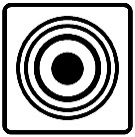
- Toll Road or Lane
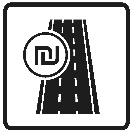
- Pedestrian Overpass (with Stairs)
- Pedestrian Overpass (with Ramp)
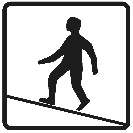
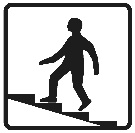
- Pedestrian Underpass (with Stairs)
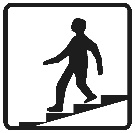
- Pedestrian Underpass (with Ramp)
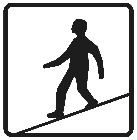
- Pedestrians
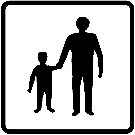
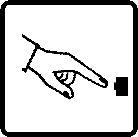
- Pedestrian Crossing Button
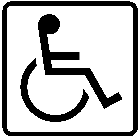
- Disability Access
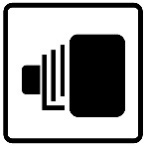
- Enforcement Camera
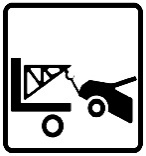
- Vehicle Towing
- Police Station
- Tunnel

- Border Crossing
- Interchange
- Intersection
- T-Junction Right
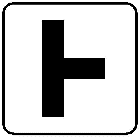
- T-Junction Left
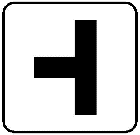
- T-Junction
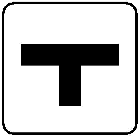
- T-Junction Right Then Left
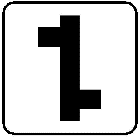
- T-Junction Left Then Right
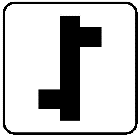
- T-Junction Ahead Then Left
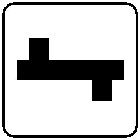
- T-Junction Ahead Then Right
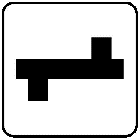
- Roundabout
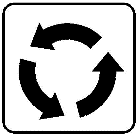
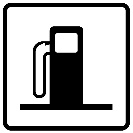
- Gas Station
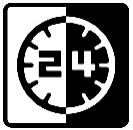
- Open 24 Hours
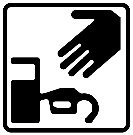
- Self-Service Gas
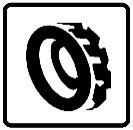
- Tire Repair
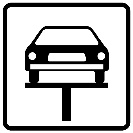
- Garage/Roadside Repair/Lubrication
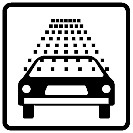
- Car Wash
- Delek Gas Station
- Paz Gas Station
- Speedometer Check
- Sonol Gas Station
- Airport
- Port/Harbor
- Train Station
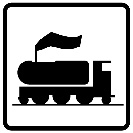
- Light Rail Station
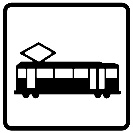
- Bus
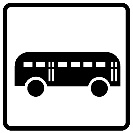
- Taxi
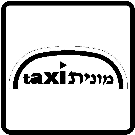
- Private Vehicle
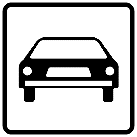
- Truck
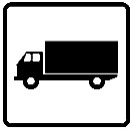
- Motorcycle
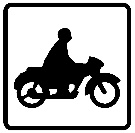
- Bicycle
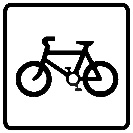
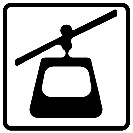
- Cable Car
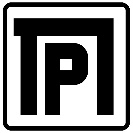
- Parking
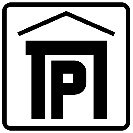
- Covered Parking
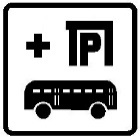
- Park and Ride
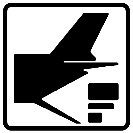
- Cargo Terminal
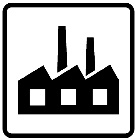
- Industrial Zone
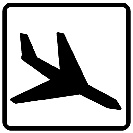
- Arrivals Terminal
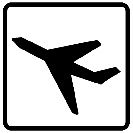
- Departures Terminal
- Hospital (No Emergency Room)
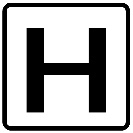
- Hospital (with Emergency Room)
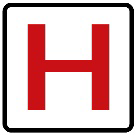
- First Aid

- Telephone
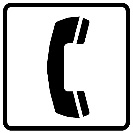
- Restaurant
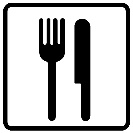
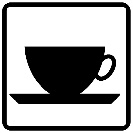
- Cafe/Snack Bar
- Night Public Transport Routes
- Car Rental

- Rest Area

- Passenger Pickup/Dropoff Area

- Payment Station

- Academic Institution

- Information Center/Tourist Information
- Hotel/Guesthouse/Resort
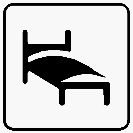
- Hostel/Youth Hostel
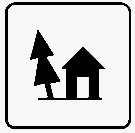
- Camping Site/Overnight Parking
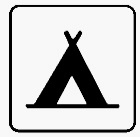
- Agritourism
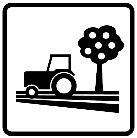
- Rural Accommodation
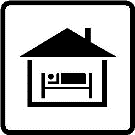
- Tourism Site
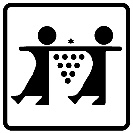
- Archaeological Site/Antiquities
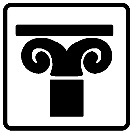
- Jewish Holy Site
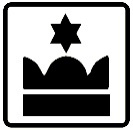
- Muslim Holy Site
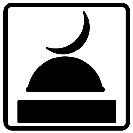
- Druze Holy Site
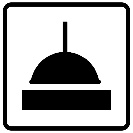
- Christian Holy Site
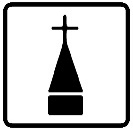
- Historic/Architectural Building or Area
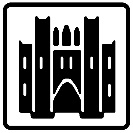
- Memorial Site
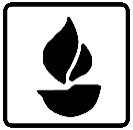
- Museum
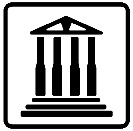
- Art Gallery/Craft Workshop
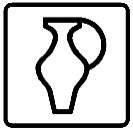
- National Park/Nature Reserve
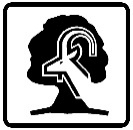
- Bible Trail
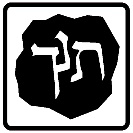
- World Heritage Site
- Winery

- 4x4 Trail Only
- Forest/Park for Visitors
- Marina/Regulated Dock
- Regulated Bathing Site
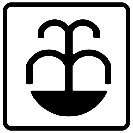
- Lookout/Scenic View
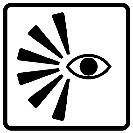
- Outdoor Recreation/Picnic Area
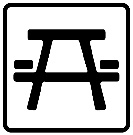
- Jeep Tours
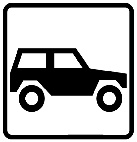
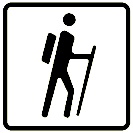
- Organized Walking Trail
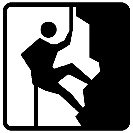
- Organized Climbing/Rappelling Site
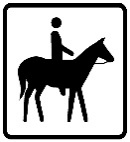
- Horse Farm/Riding Services
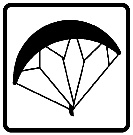
- Organized Hang Gliding/Paragliding Site
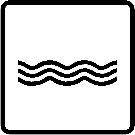
- Stream/River
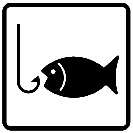
- Organized Fishing Site
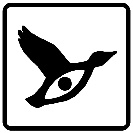
- Bird Watching Site
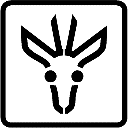
- Zoo
- Regulated Beach
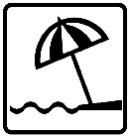
- Public Swimming Pool
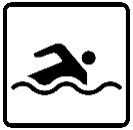
- Water Sports Site
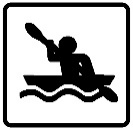
- Mountain Biking Trail
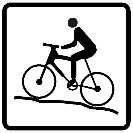
- Sports Center
- Ski Site
- Ten Gas Station
- Electric Vehicle Charging Station
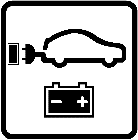
- Electric Vehicle Battery Swap Station
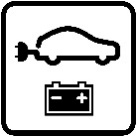
- Electric Vehicle Charging and Battery Swap Station
- Derech Eretz (Route)
- Cross-North (Route)
Signs
Study signsAbout these signs
Service and facility signs belong to the information family: usually a square or rectangular panel on a blue background, carrying a white inner box with a single picture symbol inside — a fuel pump, the letter P for parking, a bed for a hospital, a knife and fork for food. They neither forbid nor command anything — they inform you that a facility or service is nearby. You read this sign by its picture, not by words, so it makes sense in any language. There's no need to slow for it; just know the service is available here.
Inside the family the symbol is everything. A fuel pump marks a petrol station, a wrench a repair garage, the letter P a car park, a red cross a first-aid station, a bed a hospital, a knife and fork a restaurant, a cup a café or snack bar, a handset a telephone, a picnic table or a tree with a table a rest area, and the letter i an information point. Confusions arise between close symbols: first aid versus hospital, restaurant versus snack bar, parking versus disabled parking, and an ordinary telephone versus an emergency phone.
With Move you learn that any blue square panel with a white inner box is a 'service notice' — then you simply decode the picture. In the sign library you see all the symbols side by side and drill the close ones — cross versus bed, fork versus cup. Every question carries an explanation that ties the symbol to the service it promises, the smart review queue brings back the ones you confused, and the readiness meter shows when recognition is instant. All free, in English or any of six languages.
Frequently asked questions
How do I tell a service sign from a blue mandatory sign or a guide sign?
By shape and role. A service sign is a square or rectangular panel with a white inner box holding a picture symbol — it only informs you of a facility nearby and commands nothing. A mandatory sign is a blue circle with a white arrow or symbol, and it orders you to act — turn, go straight, give passage. Guide signs are panels that point to a destination and usually carry place names and route numbers in words. If it's a square panel picturing a facility, it's a service notice, not an order.
Which symbols get confused most inside the service family?
The classic pair is first aid versus hospital — both medical, but a red cross marks a first-aid station while a bed (or the letter H) marks a hospital. People also mix a restaurant (knife and fork) with a snack bar or café (a cup), a fuel pump with a repair garage (a wrench), and ordinary parking (P) with disabled parking (P with a wheelchair symbol). The trick is to focus on the object inside the box, not on the overall colour.
How do I memorise the whole set of service symbols?
You don't memorise panels — you translate objects. Each symbol is a picture of the thing itself: a fuel pump is refuelling, a bed is a hospital, a knife and fork is food, a handset is a telephone, a cross is first aid, the letter i is information. Once you ask 'what service does this picture draw?', even a symbol you've never seen decodes itself. On Move, repeated practice and the smart review queue make that reading instant.
How are service signs tested, and can I study in my language?
In the test a picture of the panel appears with a multiple-choice question about what it marks — for instance which service is available further along the road, or the meaning of the symbol. The symbols are international and wordless, but on Move the question wording and the explanation appear in six languages — Hebrew, Arabic, Russian, English, French and Spanish. Understand each symbol in your mother tongue, then practise in Hebrew to get used to the exam's phrasing.