Right of Way
Priority signs determine right-of-way at junctions and road merges.
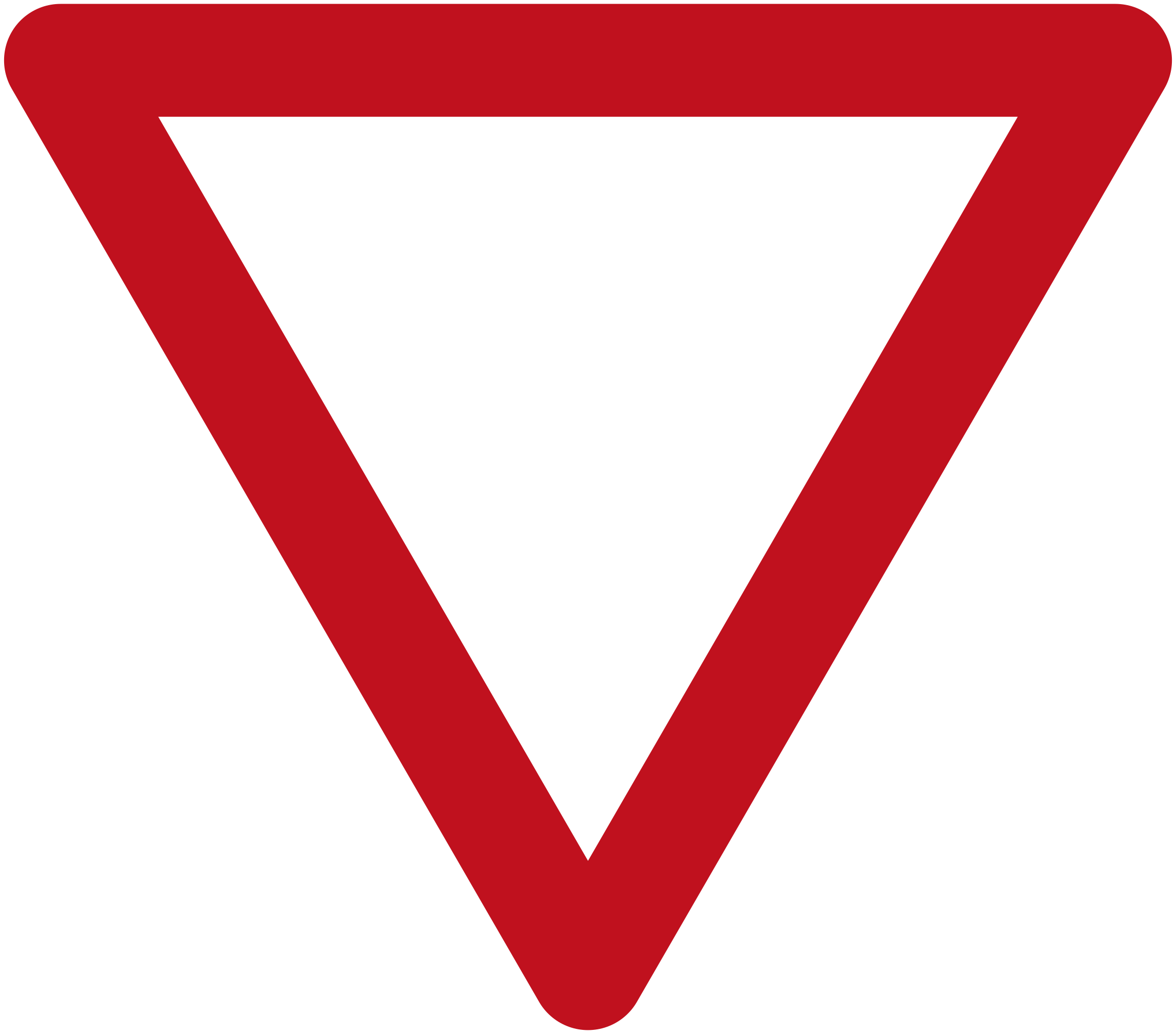
- Give way to traffic on the crossing road, including a railway
- Stop!
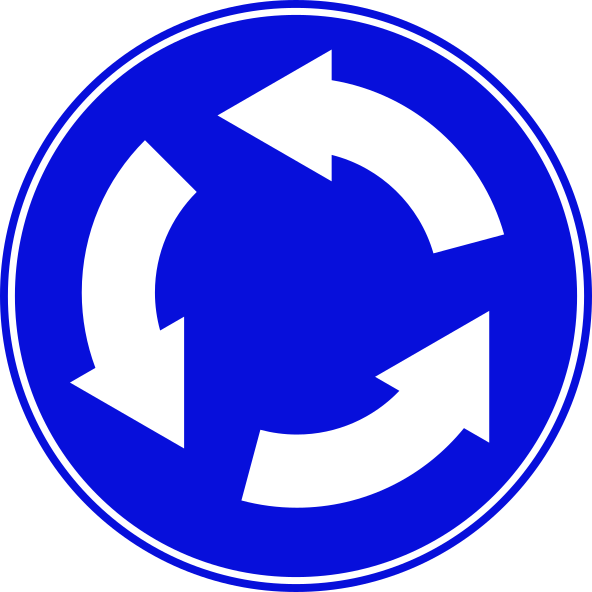
- Roundabout: give way to traffic in the circle
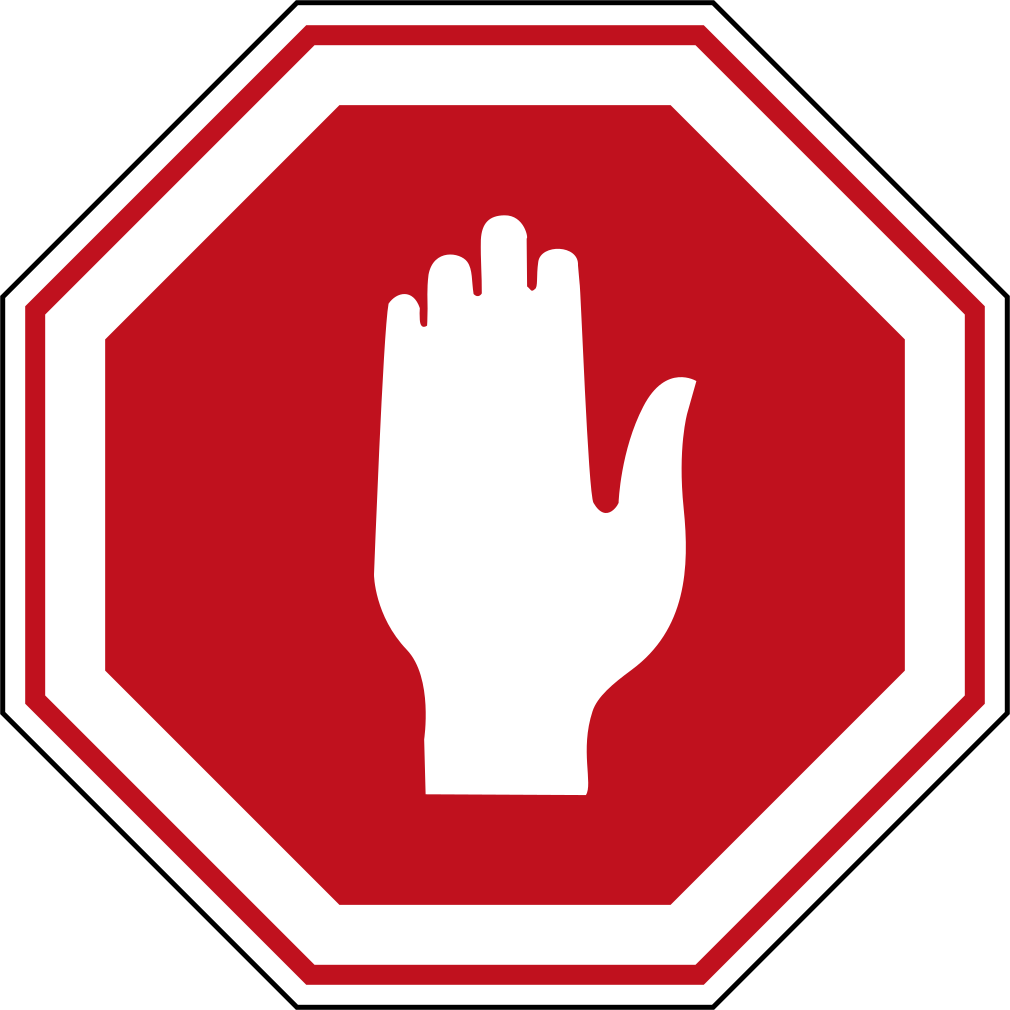
- Stop! (portable sign)
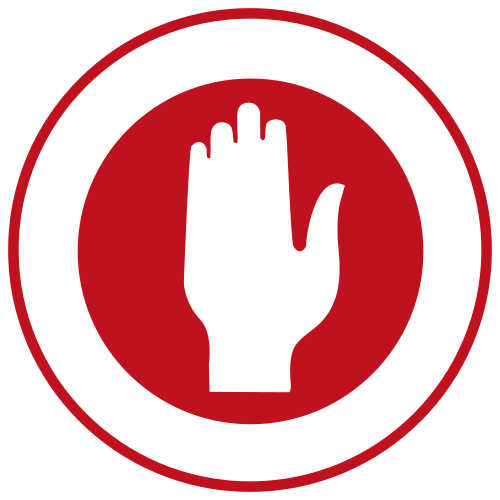
- Proceed with caution (portable sign)
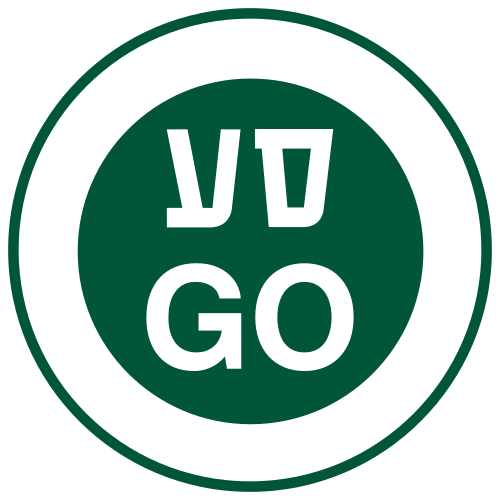
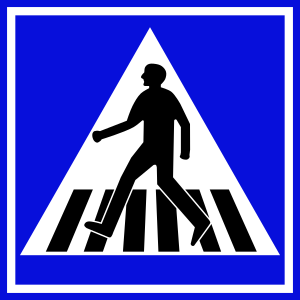
- Give right of way to crossing pedestrians.
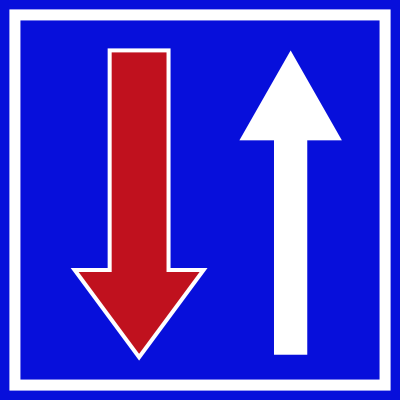
- Give right of way to oncoming traffic on a narrow road section.
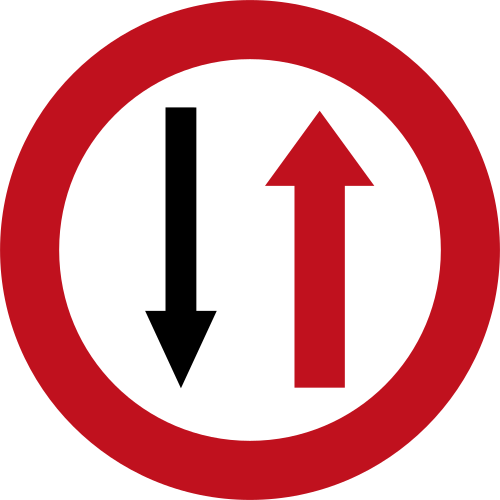
- Priority on narrow section
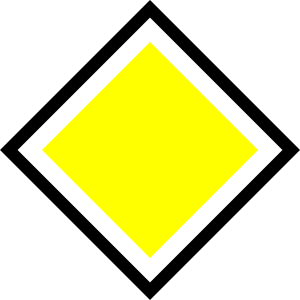
- You have right of way on the road.
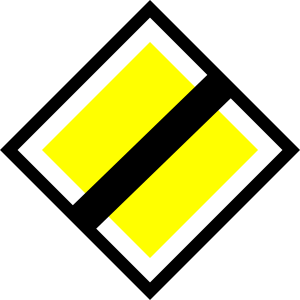
- End of priority road
Signs
Study signsAbout these signs
Priority signs are the family that settles who goes first — at a junction or on a narrow stretch where there's no traffic light and no officer directing. Each one is recognised by a shape all its own: 'give way' is the only downward-pointing triangle on the road — white with a red border, its point aimed at the ground; 'stop' is the only red octagon, its eight-sided shape readable even from behind or when the lettering is grimy; and 'priority road' is a yellow diamond standing on one corner. The shape alone already tells you the family.
The family always carries one message: who yields to whom. 'Give way' means slow down, let crossing traffic pass, and go only when it's clear; 'stop' means a full halt at the stop line — always, even if the road looks empty. The yellow diamond announces you're on a priority road and the right of way is yours, while the same diamond crossed by a line marks where that priority ends. On a narrow stretch a mirror-image pair appears: one grants you priority over oncoming traffic, the other tells you to let it through first.
On Move you drill this family until the call becomes automatic. The sign library shows each one beside its meaning, and the explanation on every question makes the critical difference clear — when you must stop completely and when slowing to yield is enough. The smart review queue brings back exactly the pairs you mixed up — 'stop' versus 'give way', or the two narrow-stretch signs — the readiness meter shows when your recognition is solid, and you can study in English or any of six languages, free.
Frequently asked questions
How do I tell 'give way' apart from the triangular warning signs?
Both are red-bordered triangles, but 'give way' is the only one that points downward and is blank white inside, with no symbol. Warning triangles point upward and carry a black picture of the hazard. Once you catch the direction of the triangle — inverted means give way, upright means warning — the confusion disappears. On Move you practise the two side by side until the distinction is instant.
What's the difference between 'stop' and 'give way'?
Both tell you to yield, but 'stop' (the red octagon) demands a full halt at the stop line — always, even with no vehicle in sight — and only then may you continue. 'Give way' (the inverted triangle) lets you carry on without stopping if the road is completely clear; you must only slow and let anyone with priority pass. It's the most-confused pair in the family, and the explanation on every Move question pins the exact action to each one.
How do I remember the two narrow-stretch signs?
Where a section is too narrow for two cars, a pair of opposite signs decides who waits. On one, your wide arrow beats the oncoming arrow — you have priority and the other driver holds back. On the other it's reversed — you're the one who must let oncoming traffic through first. The trick is spotting which arrow 'wins': the larger, bolder arrow marks who goes first. Move drills the pair together so you never flip the direction.
How is this family tested, and can I study in my language?
In the test a picture of the sign appears with a multiple-choice question about its meaning or about who has right of way at the junction. The image is international, but on Move the question wording and explanation come in six languages — Hebrew, Arabic, Russian, English, French and Spanish. It helps to grasp the 'who goes first' logic in your mother tongue, then practise in Hebrew to get used to the exam's phrasing.