Prohibition
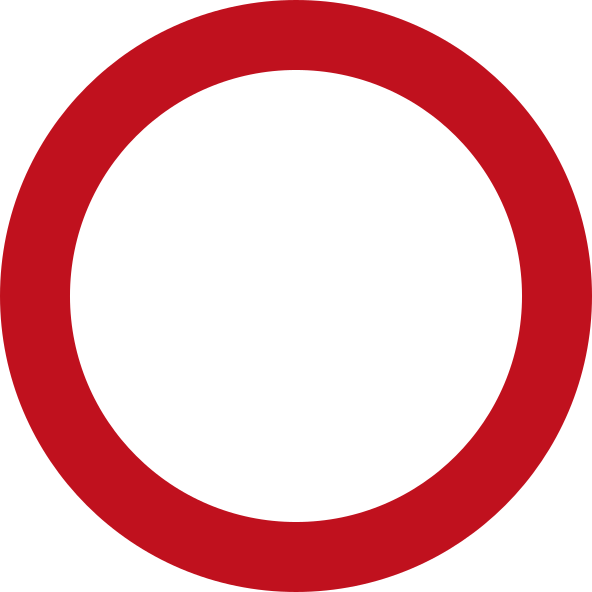
Prohibition signs in a red circle forbid specific actions. Violations carry fines and risk accidents.
- Road Closed - Both Directions - To All Vehicles
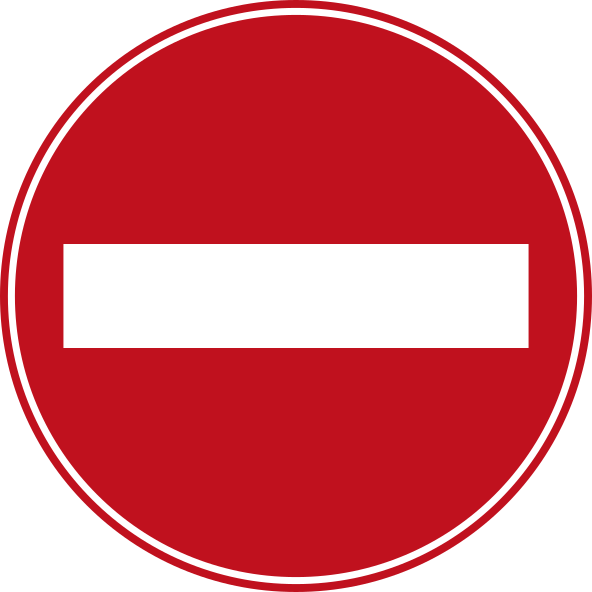
- No Entry for All Vehicles
- Barrier - Road Blocked

- Barrier Before Railway Crossing

- No Entry for Motor Vehicles
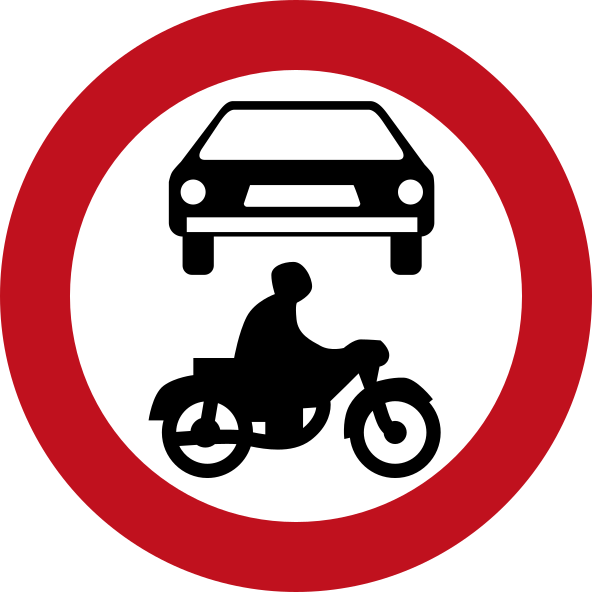
- No heavy commercial vehicles
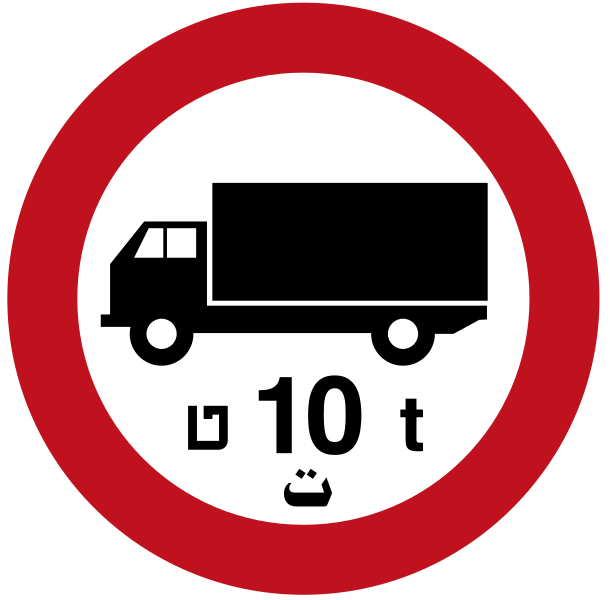
- No Entry for Hazardous Materials
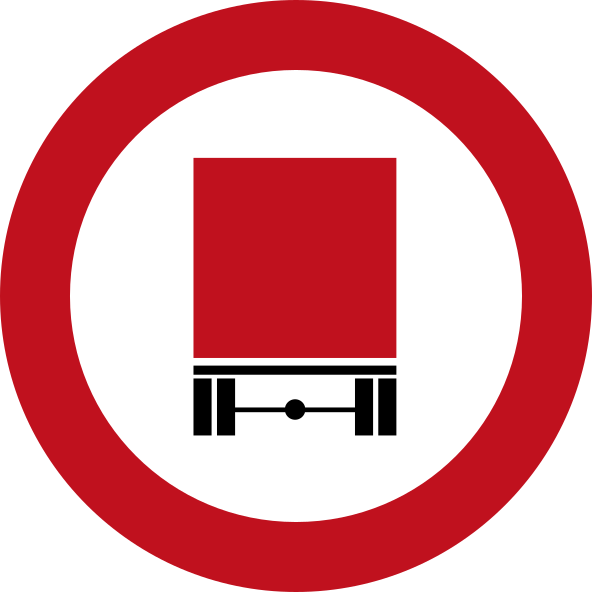
- No motor vehicles (except two-wheeled)
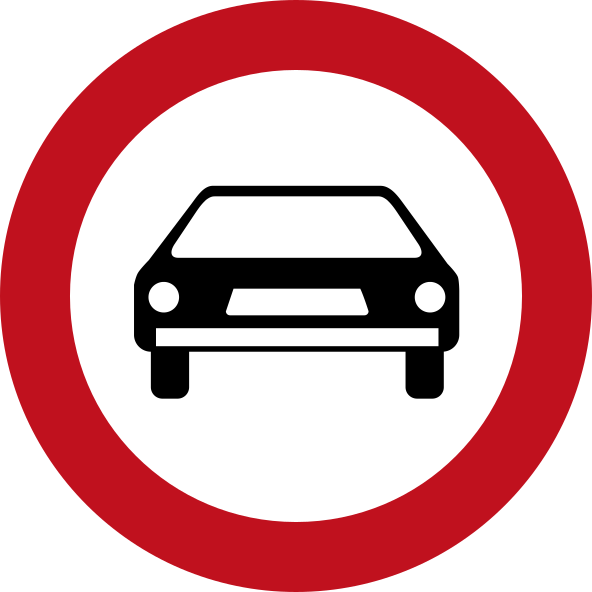
- No Entry for Motorcycles
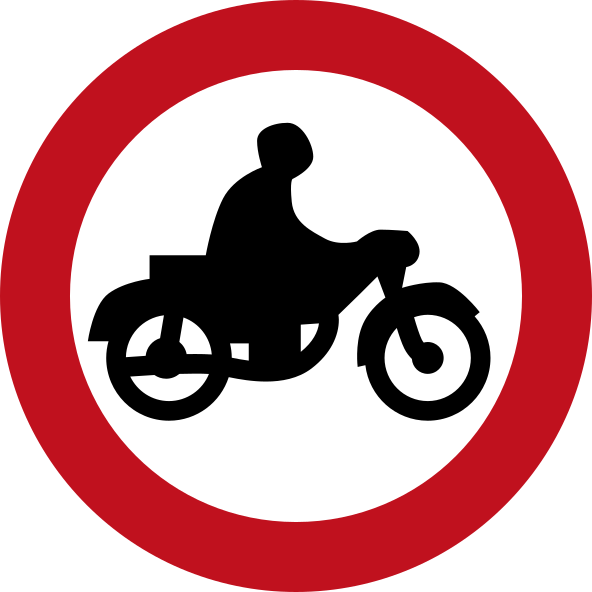
- No Entry for Work Vehicles and Tractors
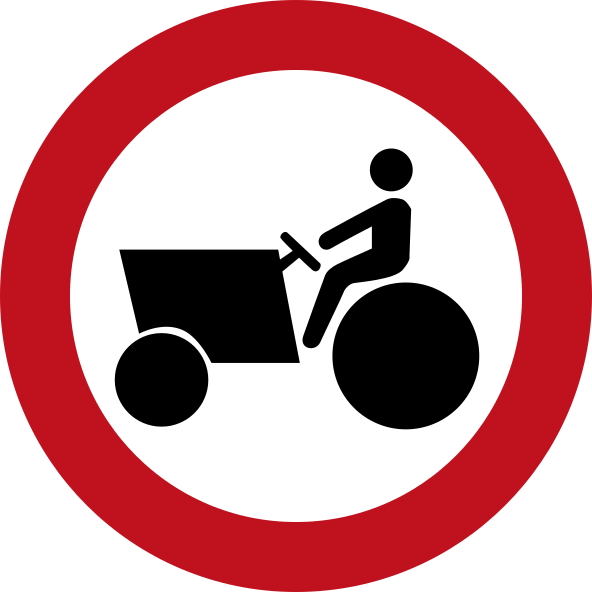
- No Entry for Animals
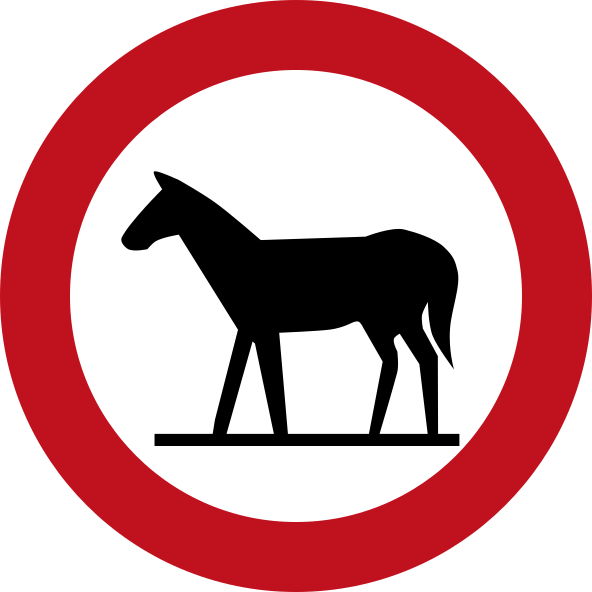
- No Entry for Bicycles
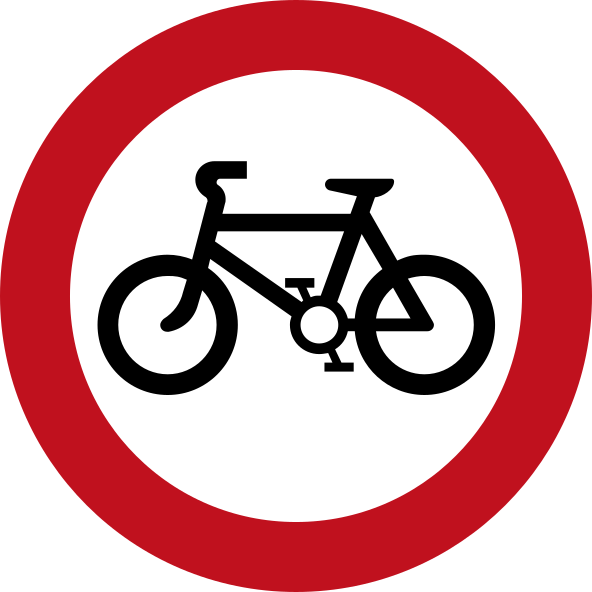
- No Entry for Pedestrians
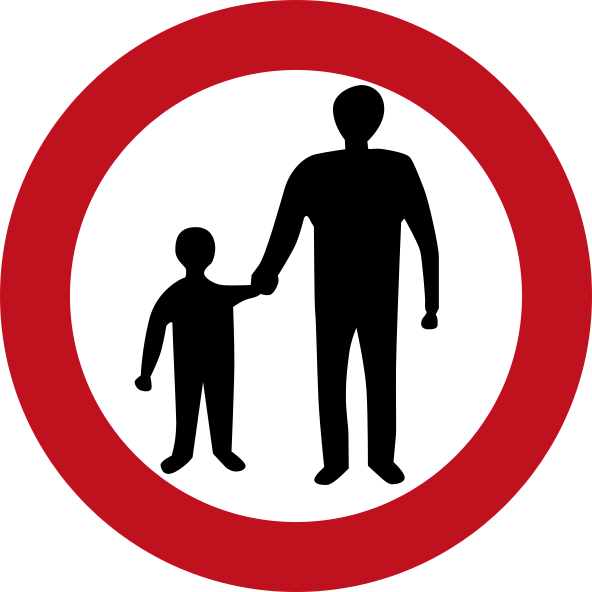
- Motor vehicles only
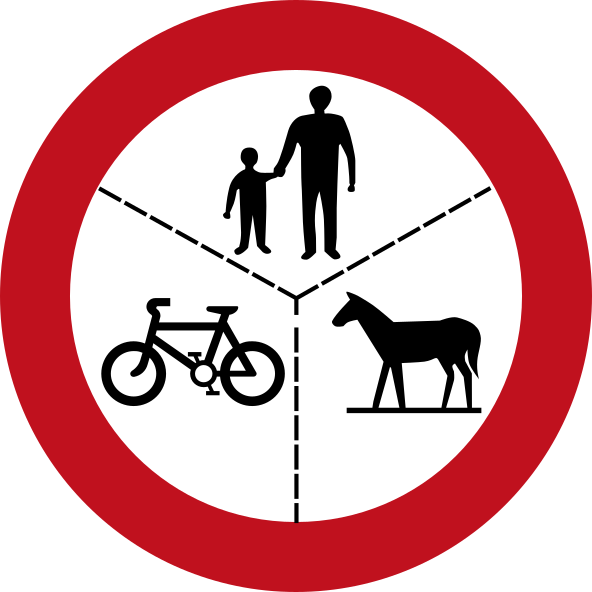
- No heavy vehicles
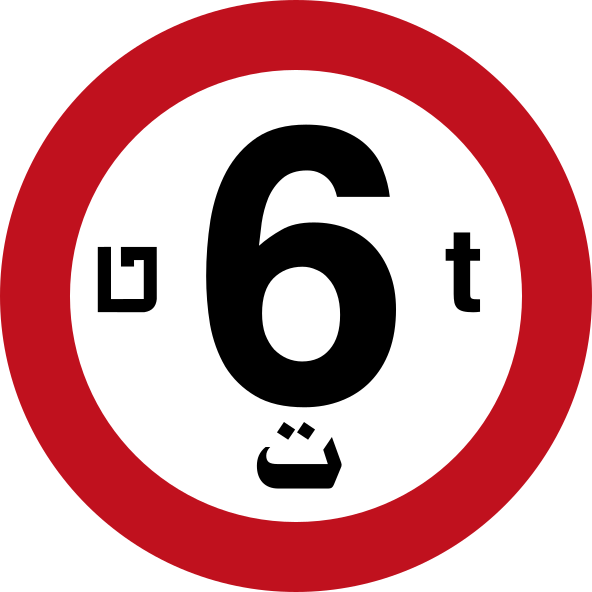
- Height restriction
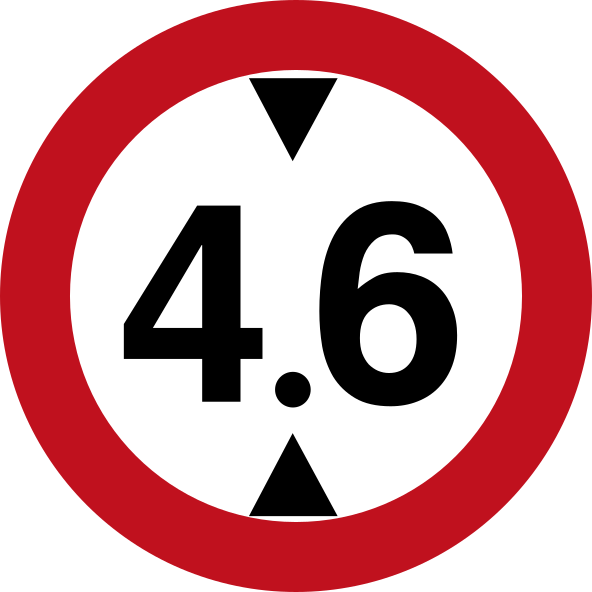
- Width restriction
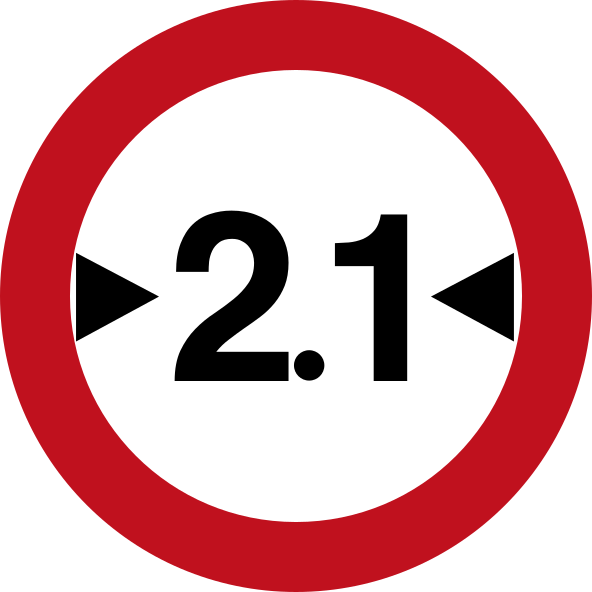
- No Driving Lessons Zone
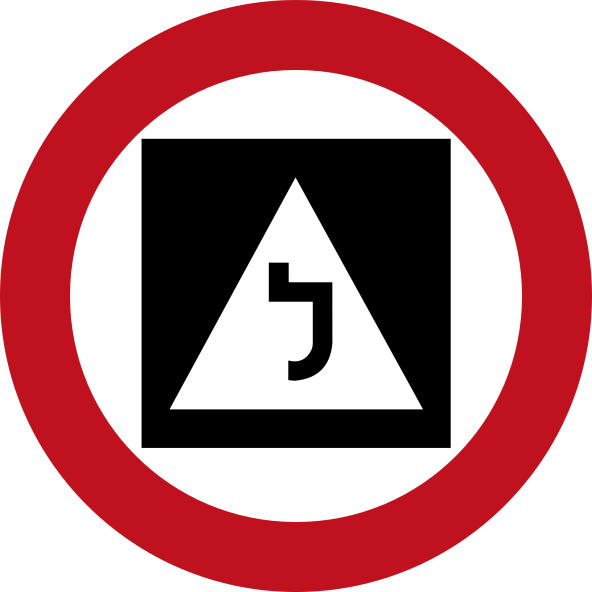
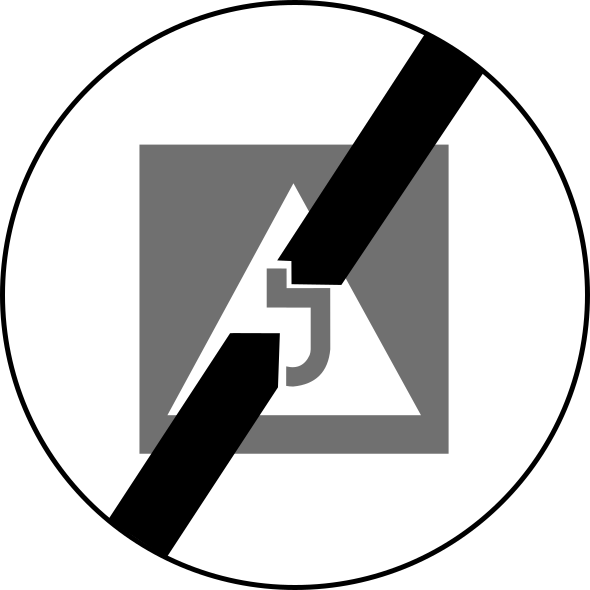
- End of No Driving Lessons Zone
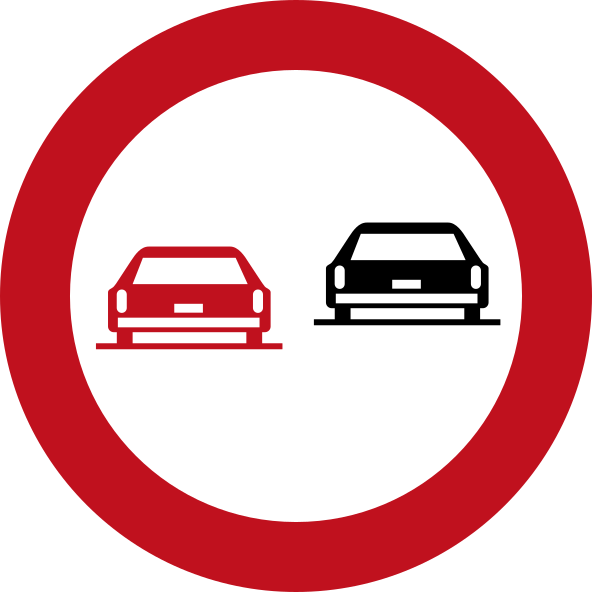
- No Overtaking
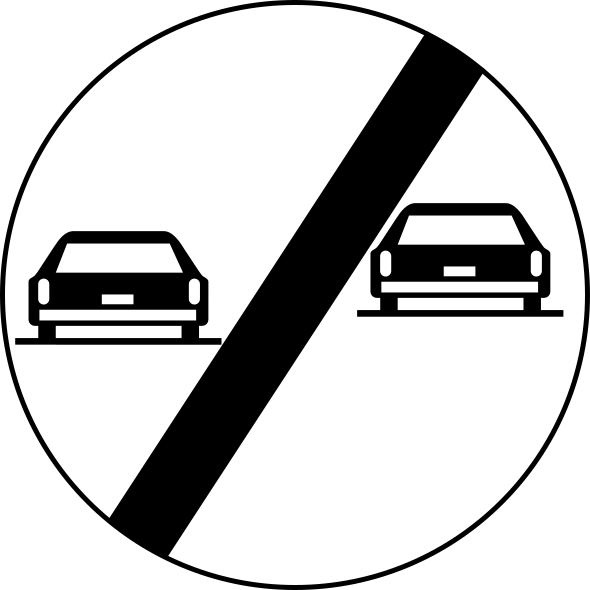
- End of No Overtaking Zone
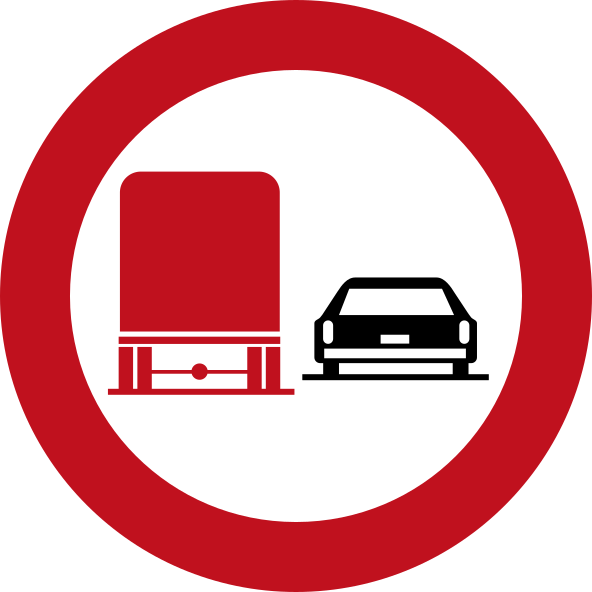
- No overtaking for heavy vehicles
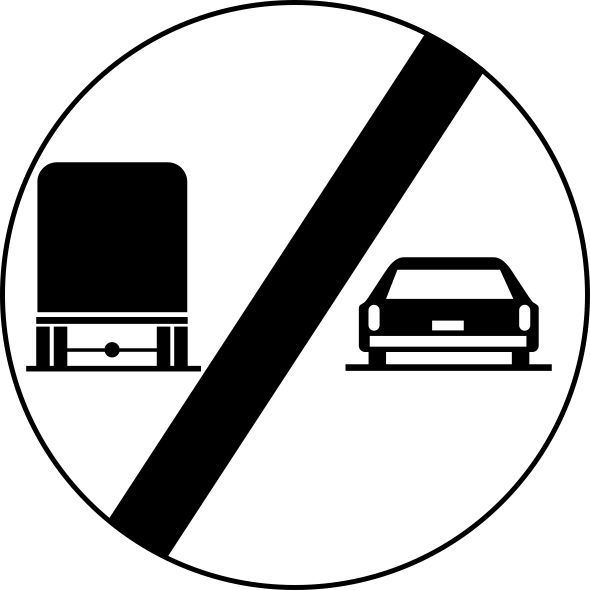
- End of No Overtaking Zone for Heavy Vehicles
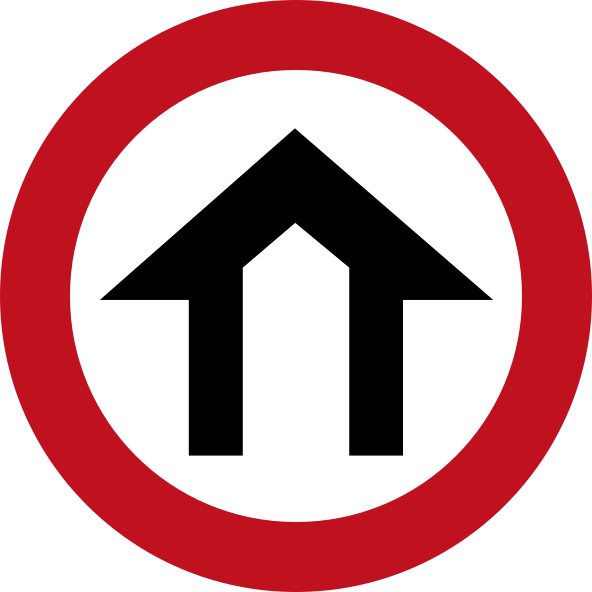
- Urban Road Zone
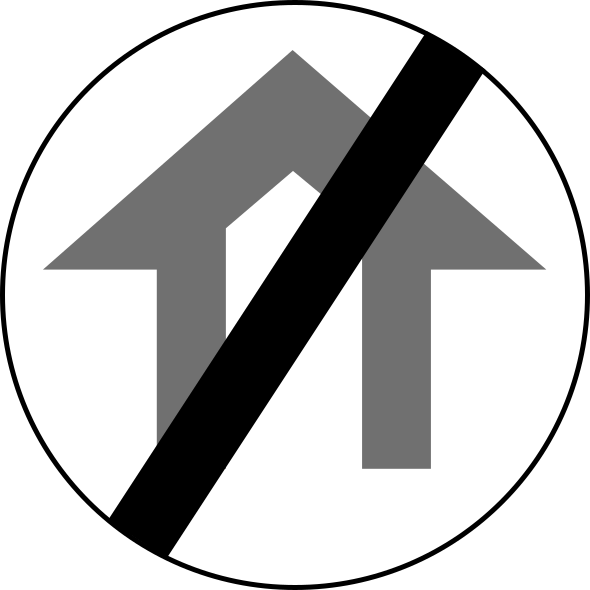
- End of Urban Road Zone
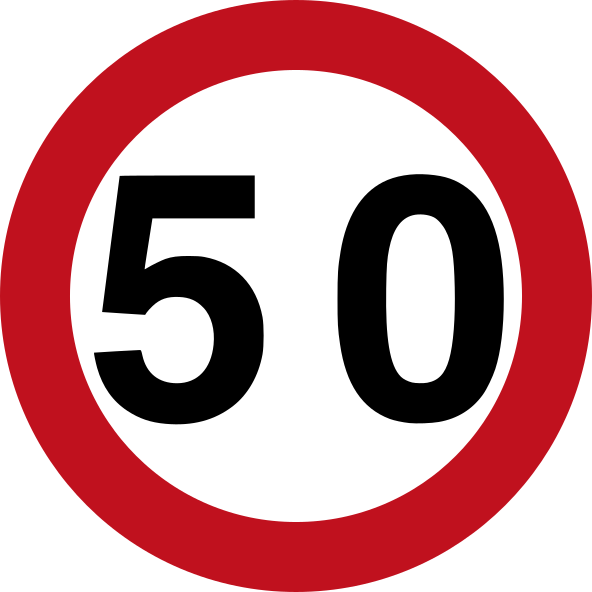
- Speed Limit
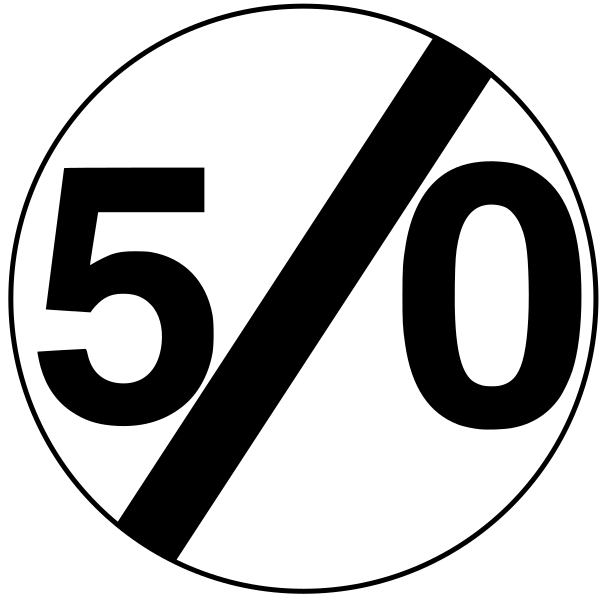
- End of Speed Limit Zone
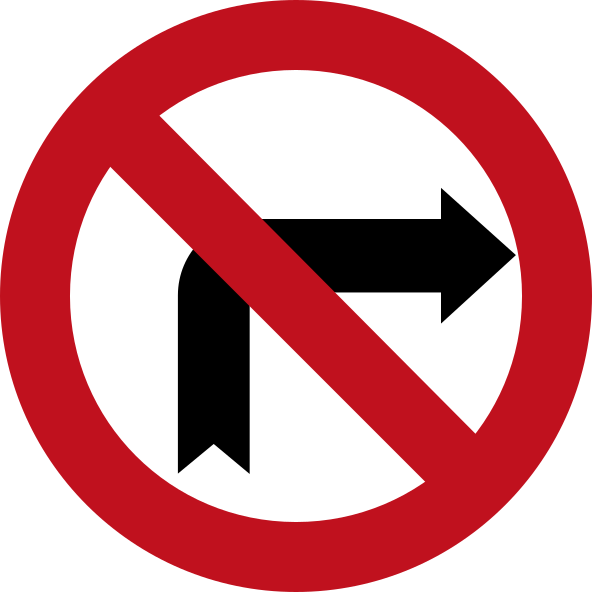
- No Right Turn
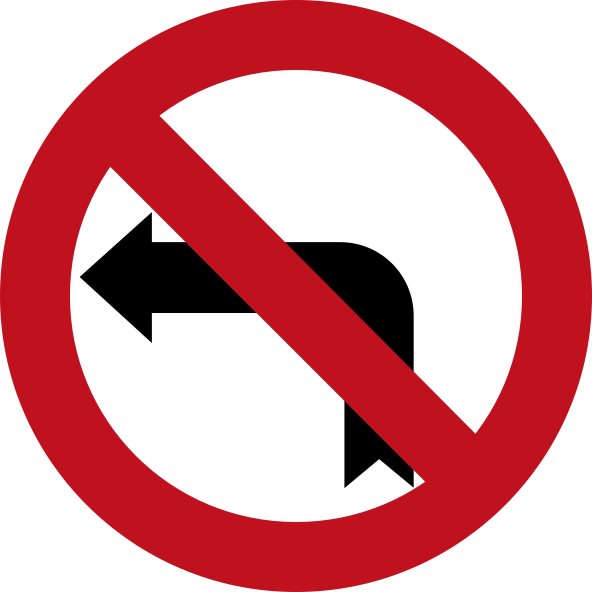
- No Left Turn
- No Right U-Turn
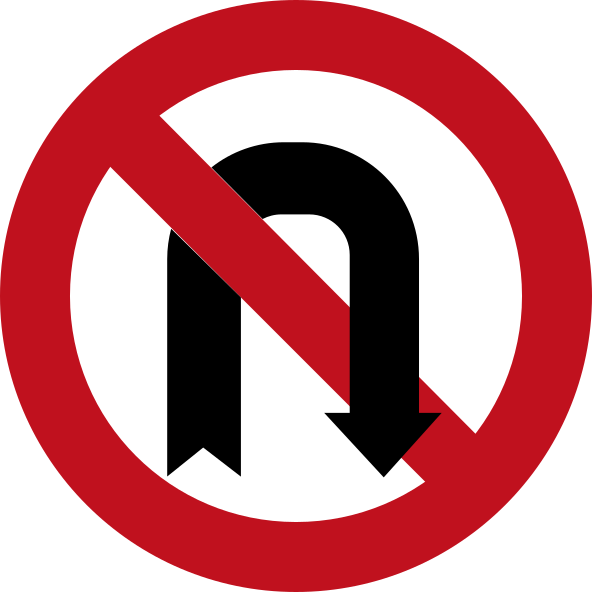
- No Left U-Turn
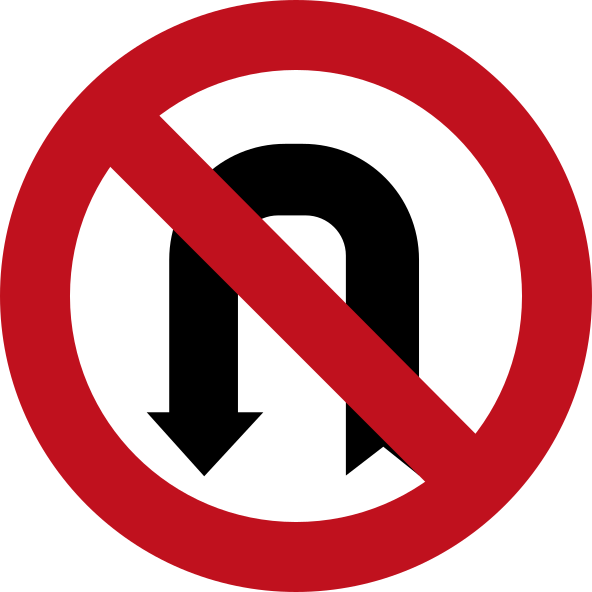
- No Parking
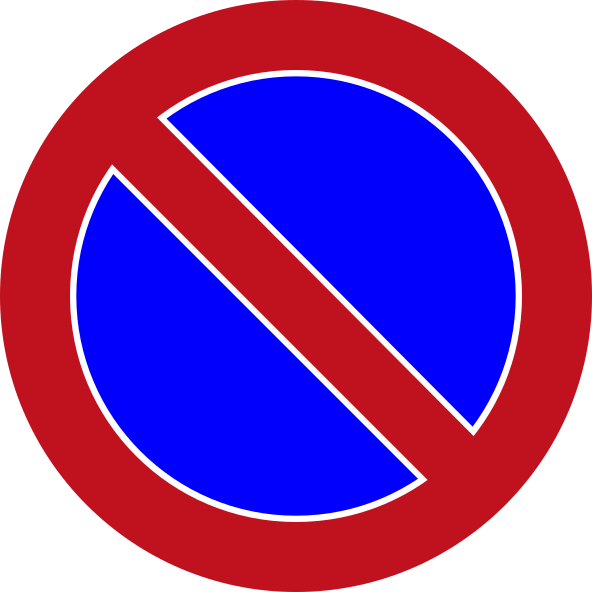
- No Stopping or Parking
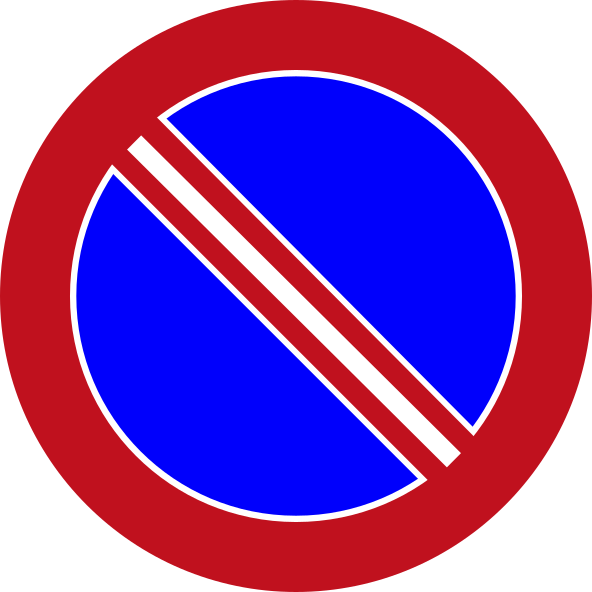
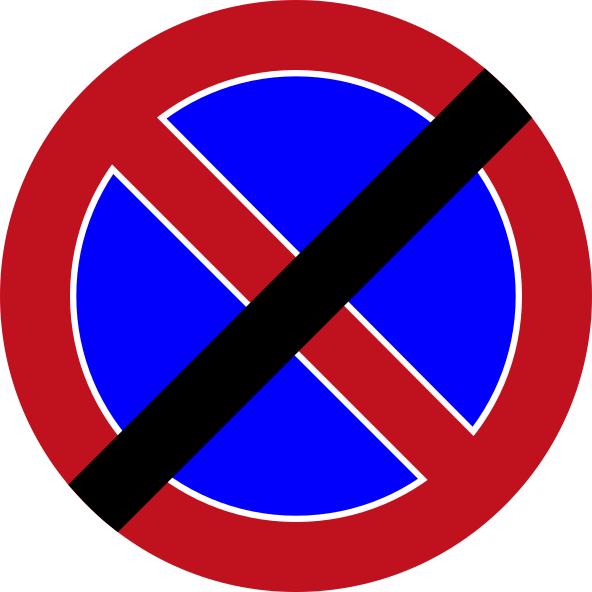
- End of No Parking/Stopping Zone
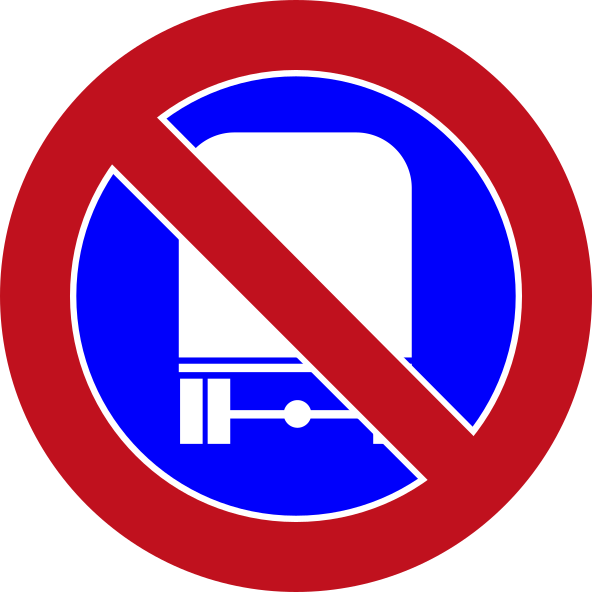
- No heavy vehicle parking
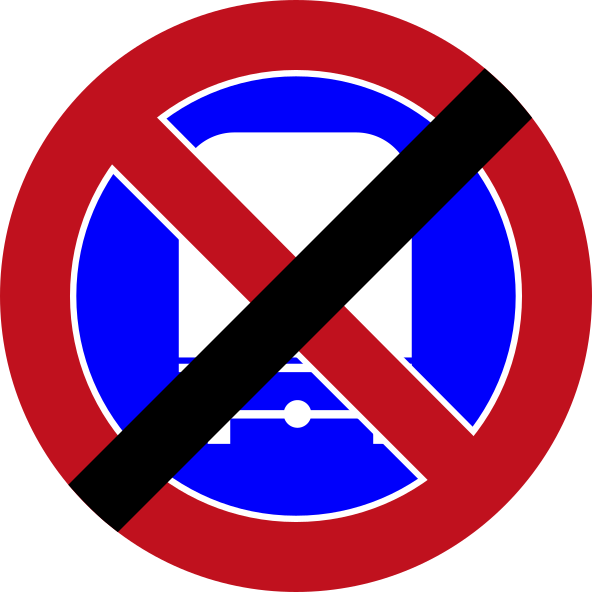
- End of No Parking Zone for Heavy Vehicles
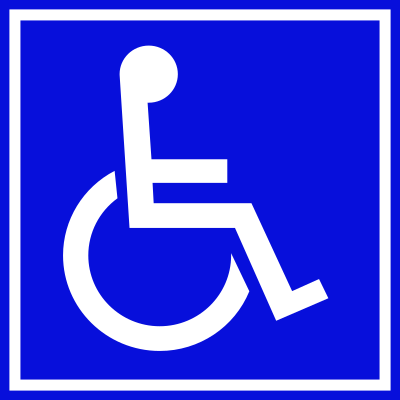
- Disabled Parking Only
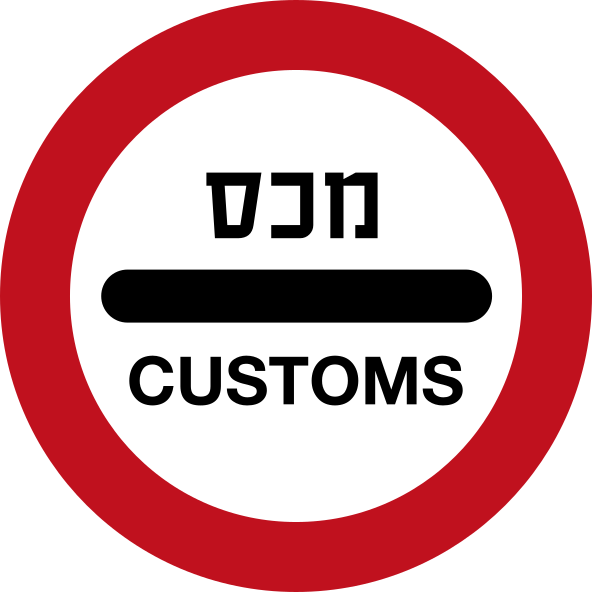
- Stop! Customs inspection
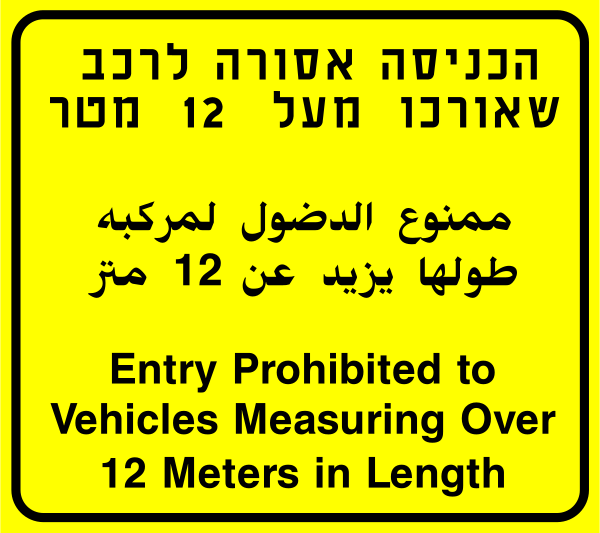
- Mandatory Message Sign
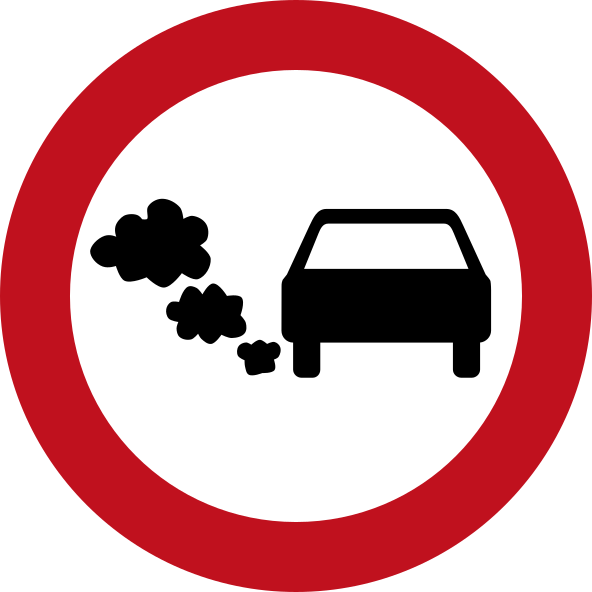
- Low Emission Zone
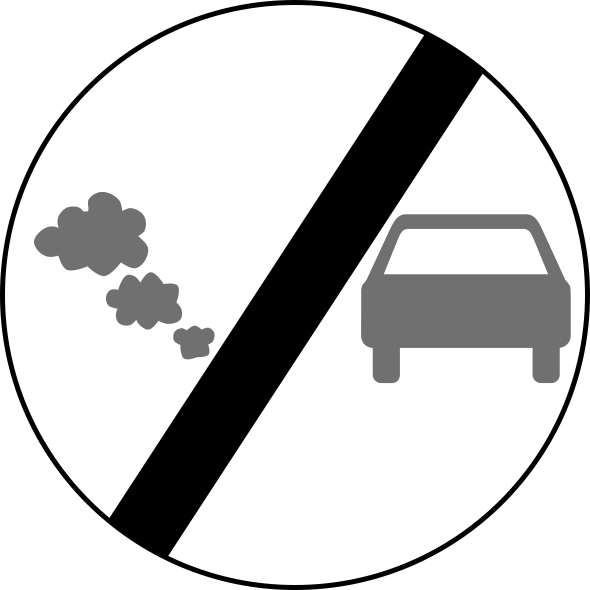
- End of Low Emission Zone
- Road Closed - Both Directions (Illuminated)

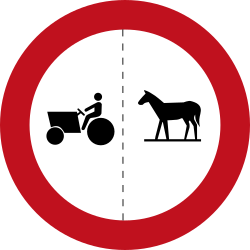
- No entry for pedestrians, work vehicles, tractors, animals or bicycles
- Speed Limit (Illuminated)

Signs
Study signsAbout these signs
Prohibition signs are the family that says 'don't'. You spot them instantly: a bold red ring on a white background, with the forbidden action drawn in black in the middle — often struck through by a red diagonal slash. The round shape marks a firm instruction, and the red turns it negative: do not enter, do not turn, do not overtake. Unlike the warning triangle, which only alerts you to a hazard, a prohibition draws a hard line — what's forbidden is forbidden.
This family includes 'no entry' (a solid red disc with a white horizontal bar), 'no left turn', 'no U-turn', and 'no overtaking' (two cars, one of them red). It also covers limits shown as a number inside a red ring — a cap on speed, weight, height or width — and bans on a vehicle type, drawn as its silhouette. The blue-filled parking signs belong here too: a single red diagonal means no parking, a red X means no stopping at all. Watch for end-of-restriction signs, where a band crosses the sign to cancel it.
With Move you break the family into its parts. The sign library shows each prohibition with a short explanation — why the red ring means 'no', and exactly what it forbids. You drill the topic again and again until recognition is instant, and the smart review queue brings back the very pairs you mixed up: no stopping versus no parking, a turn ban versus a U-turn ban. The readiness meter shows when the prohibitions are solid, and you can study in English or any of six languages, free and with no sign-up.
Frequently asked questions
How do I tell a prohibition sign from a mandatory one?
Both are circles, so colour is the giveaway. A red ring on a white field forbids; a solid blue circle commands. A blue circle with a white arrow means you must turn that way; the same arrow inside a red ring, crossed out, means you must not. First the shape tells you it's an order, then the colour tells you whether it's 'you must' or 'you must not'. The red slash, when present, confirms a ban.
What's the difference between 'no parking' and 'no stopping'?
Both are blue circles inside a red ring, and they're the most-confused pair in the family. A single red diagonal means no parking — you may pause briefly to drop someone or load, but not leave the car standing. A red X (two diagonals) means no stopping at all, not even for a moment. A simple cue: more red lines, more forbidden. Move's review queue drills exactly this pair until it's automatic.
How do I memorise all the prohibition signs?
Don't learn the pictures one by one — learn the pattern. The red ring already tells you something is forbidden; you just read the black symbol inside and the line crossing it. Group them by what they ban: turns and U-turns, overtaking, parking and stopping, dimension and weight limits, and specific vehicle types. Practise the group on Move, and spaced review returns the ones you slip on right before you'd forget them.
What are end-of-restriction signs, and can I study this in my language?
An end-of-restriction sign cancels a prohibition that applied earlier — the end of a no-overtaking stretch, or the end of a speed limit — usually shown as the original sign crossed by a diagonal band. In the test, a picture of a sign appears with a multiple-choice question about its meaning. The image is international, but Move shows the wording and explanation in six languages — Hebrew, Arabic, Russian, English, French and Spanish — so you grasp the meaning in your own and practise in Hebrew.