
Public Transport
Public transport signs mark dedicated lanes, stops and priority routes for buses and taxis.
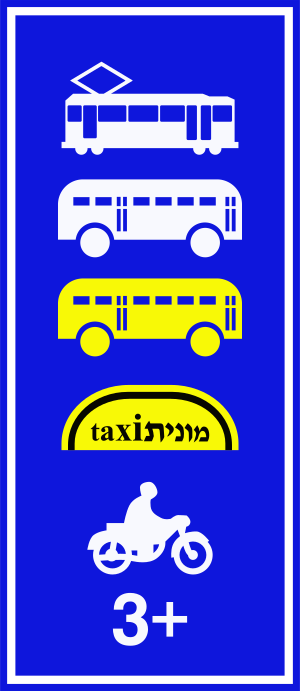
- Public Transport Road or Lane
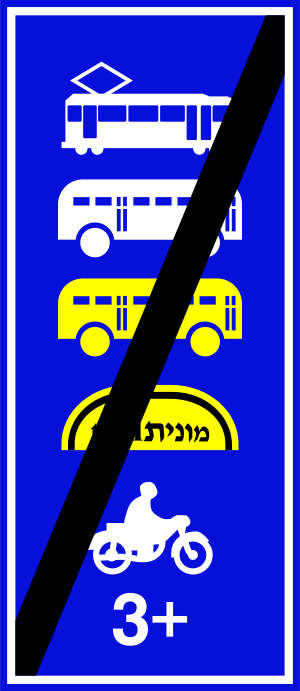
- End of Public Transport Road or Lane
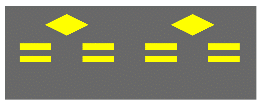
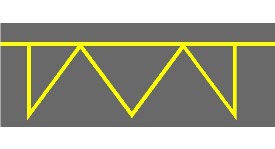
- PT lane marking
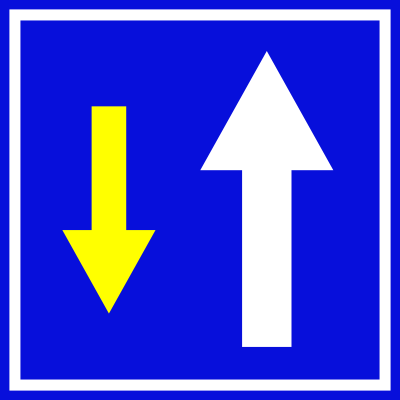
- Two-Way Lane
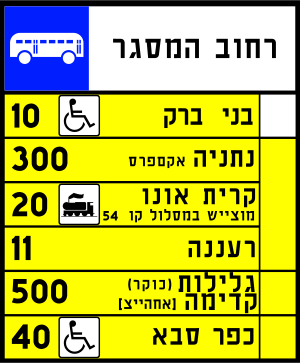
- Bus stop
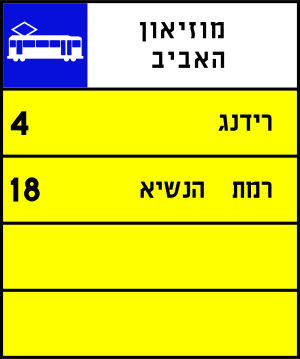
- Light Rail Stop
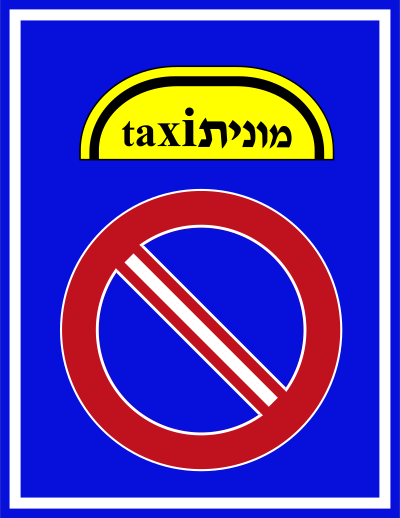
- Taxi Stand
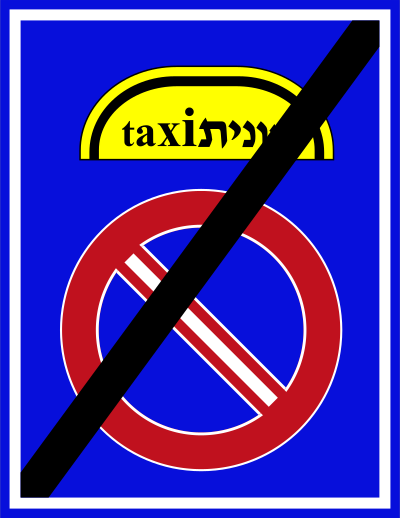
- End of Taxi Stand Zone
- Taxi Stop for Pickup and Dropoff Only
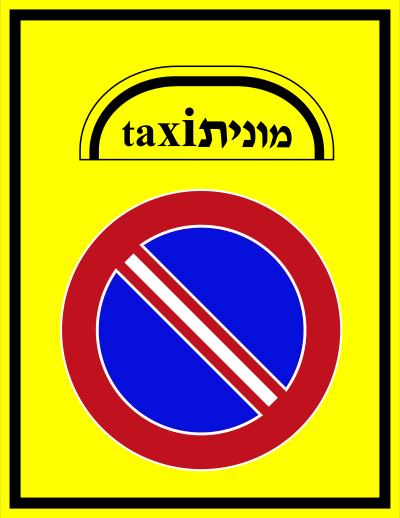
- Soldier Pickup Station
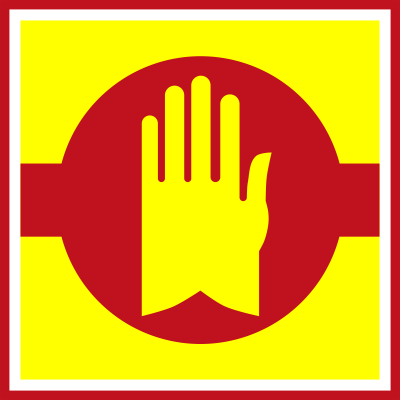
- Stop at red-yellow curb
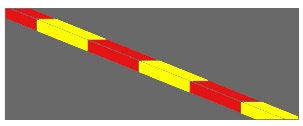
- Stop at bay
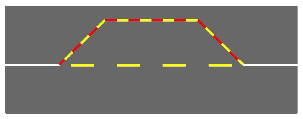
- Stop without bay
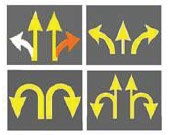
- Yellow arrows on road
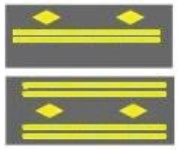
- PT lane solid marking
- PT lane for crossing
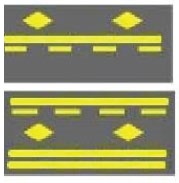
- Public Transport Lane

Signs
Study signsAbout these signs
Public-transport signs are blue rectangular or square panels carrying a white symbol of a bus — and sometimes a taxi too. Unlike the geometric families, they neither warn nor forbid by their shape; they reserve a lane or a road, or mark a facility, for public transport. When you see a white bus on a blue background, that's the cue you're looking at reserved space — not a red-circle prohibition and not a red warning triangle.
The family includes the dedicated bus lane (in Israel, the 'natz'), a lane shared by buses and taxis, the bus stop, the taxi stand, and a road reserved for public transport only. A supplementary plate often states the days and hours the restriction applies, and sometimes which other vehicles are allowed. The common mix-up is a bus-only lane versus one that also admits taxis, and whether you may stop or park near a bus stop, where stopping is restricted.
With Move you learn this family on its own. In the sign library you see each sign beside its meaning, and focused practice repeats the public-transport questions until recognition is instant. Every question has an explanation of who may drive in the lane and when, the smart review queue brings back exactly the signs you confused, and the readiness meter shows when you're solid. Study in English or any of six languages — free and with no sign-up.
Frequently asked questions
How do I tell a public-transport sign from a prohibition sign?
A public-transport sign is a blue rectangle or square that marks reserved space — a positive statement of who a lane or road is for. A prohibition is a red circle that bans something for every driver. Even though taking a private car into a bus lane is forbidden, the sign itself isn't a red-circle ban; it's a blue allocation sign naming who may use the lane. Don't confuse it with a blue mandatory circle either, which orders a direction or action.
What's the difference between a bus-only lane and a bus-and-taxi lane?
Both are blue lane signs; the pictogram tells them apart. A bus-only lane shows just a bus, while a shared lane adds a taxi — and some lanes also admit high-occupancy vehicles or those listed on the plate. The supplementary plate's days and hours decide when the lane is reserved at all. Read the symbol and the plate together to know whether your vehicle may enter at that moment; that pairing is what most questions hinge on.
How do I memorise the public-transport signs?
Anchor on one idea: a blue panel plus a white bus means space reserved for public transport. From there learn the handful of variants — the lane, the shared bus-and-taxi lane, the bus stop, the taxi stand, and the public-transport-only road — and the job of the hours plate. Then drill them on Move; the smart review queue returns the ones you confuse until each is automatic, and the readiness meter tells you when the set is solid.
How is this family tested, and can I study in my language?
A question shows the sign and asks who may drive or stop there — for instance whether a private car may use the lane, or what the bus-stop sign requires of you nearby. The image is international, but on Move the wording and explanation appear in six languages — Hebrew, Arabic, Russian, English, French and Spanish. Study the meanings in your mother tongue, then practise in Hebrew to get used to the exam's phrasing.