
Traffic Lights
Traffic light signs explain the symbols, colours and meanings used at controlled intersections.
- Red Light
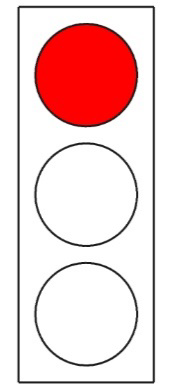
- Red and Yellow Light Together
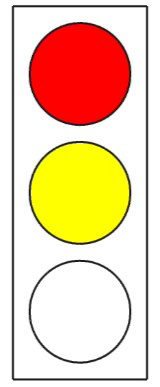
- Green Light
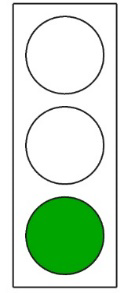
- Green Arrow for Vehicles
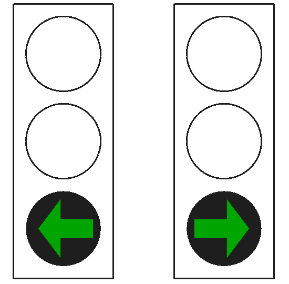
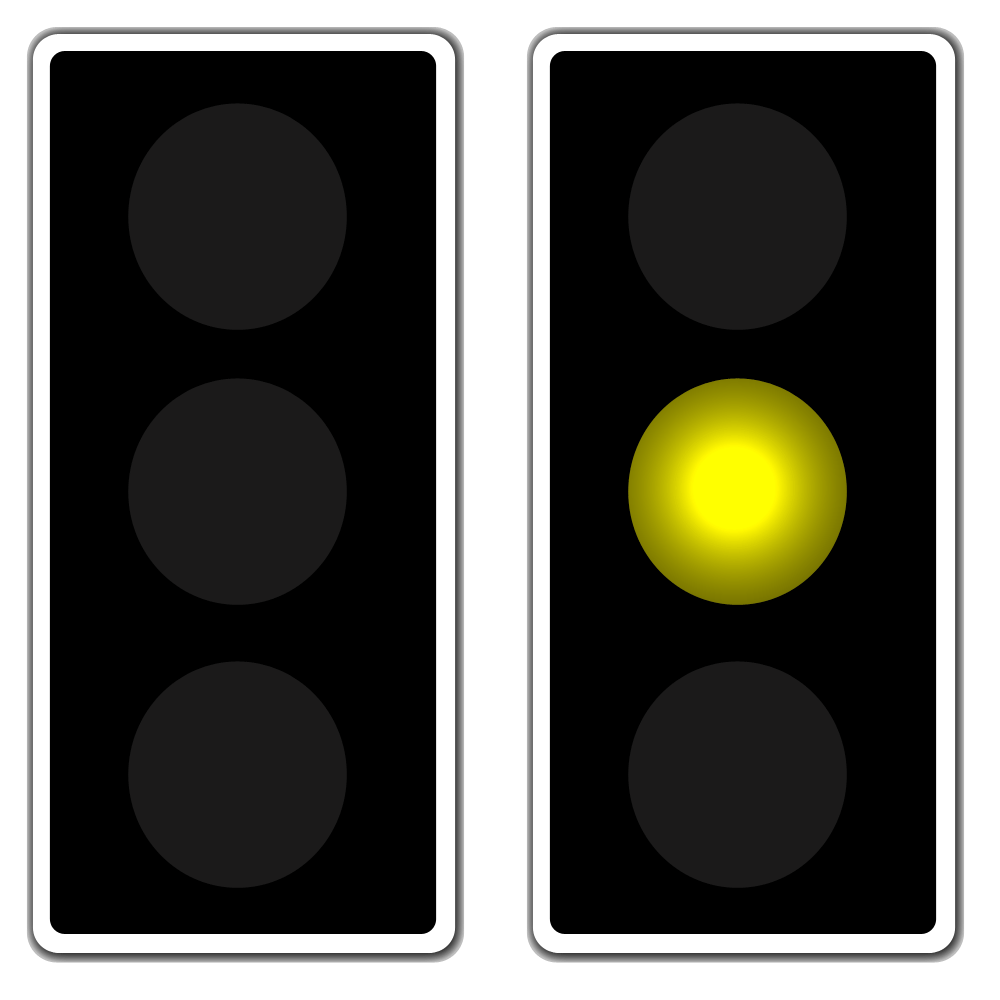
- Yellow Light
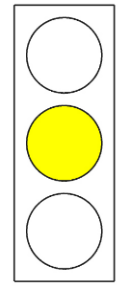
- Flashing Yellow Light
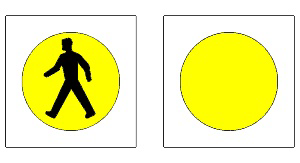
- Signal for pedestrians or cyclists
- Light rail traffic light - stop
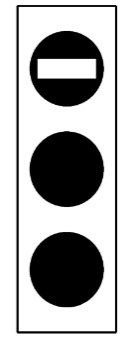
- Light rail traffic light - ready
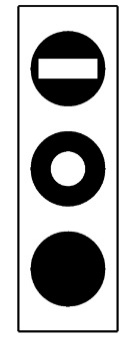
- Light rail traffic light - straight
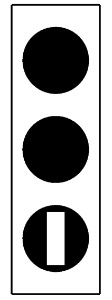
- Light rail traffic light - turn
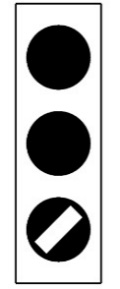
- Light rail traffic light - left turn
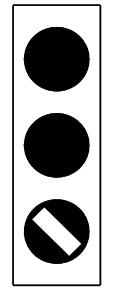
- Light rail traffic light - straight or turn
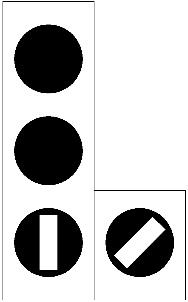
- Light rail traffic light - straight or turn (two lights)
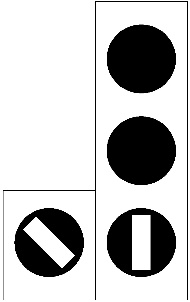
- Light rail traffic light - all directions
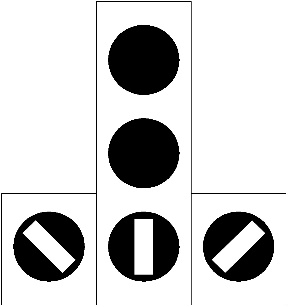
- Light rail traffic light - circle
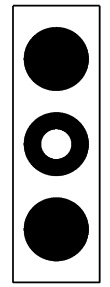
- Light rail traffic light - flashing
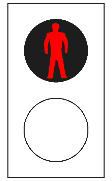
- Red Standing Pedestrian Figure
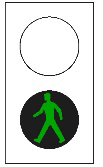
- Green Pedestrian Figure
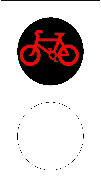
- Red Bicycle Shape
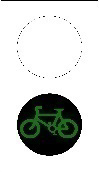
- Green Bicycle Shape
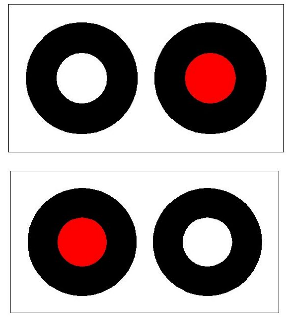
- Double Flashing Red Light Before Railway Crossing
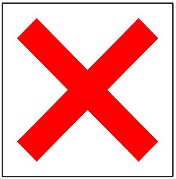
- Lane Closed
- Lane Open
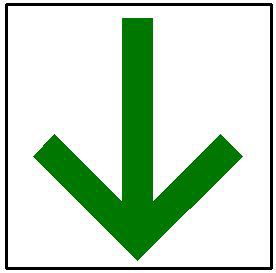
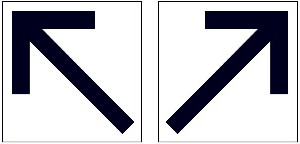
- Move to Adjacent Lane
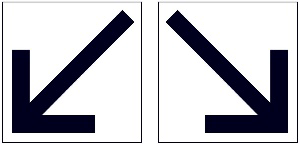
- Exit Lane
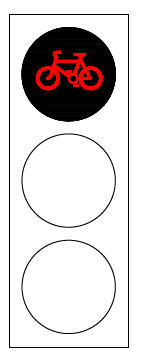
- Red light for bicycles
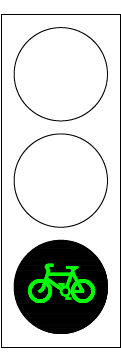
- Green light for bicycles
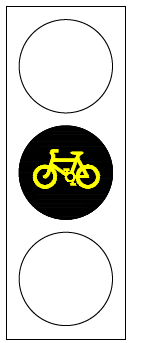
- Yellow light for bicycles
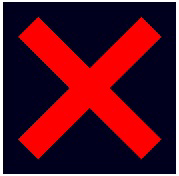
- Lane Closed (Flashing)
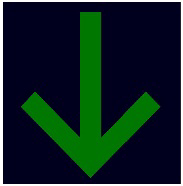
- Lane Open (Flashing)
- Move to Adjacent Lane (Flashing)
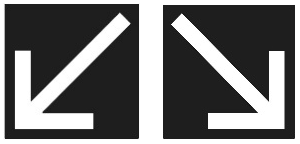
- Exit Lane (Flashing)
Signs
Study signsAbout these signs
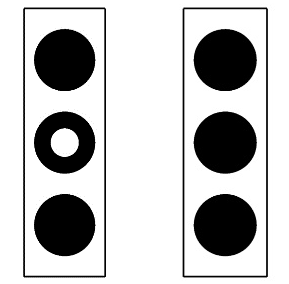
A traffic light isn't a sign at the roadside that says one fixed thing — it's a live signal that changes its message moment to moment, and you read the lit lens, not a printed symbol. The signal head is a vertical housing with three round lenses in a fixed top-to-bottom order: red, amber, green. The sequence runs the same way every time — red, red-and-amber together, green, amber, then red again — so you can read the light by its position even without telling the colours apart.
Beyond the three main lights, the family holds signals that are easy to confuse: a flashing green that warns the green is about to end — get ready to stop — versus a flashing amber that means the junction isn't actively controlled, so slow down and give way. There's also a green filter arrow that permits a protected turn in one direction only, separate pedestrian signals (a red standing figure versus a green walking one) meant for people on foot alone, and dedicated public-transport signals. And when a light is dark or an officer is directing traffic, the officer's hand always overrides the machine.
With Move you learn the signals until your response is instant. The sign library shows each one on its own with an explanation of why it means what it does, focused practice puts you back at the junction again and again, and the smart review queue resurfaces exactly the signals you mixed up — a flashing green against a flashing amber, say. The readiness meter shows when your recognition is solid, and you can study in English or any of six languages — free, with no sign-up.
Frequently asked questions
What's the difference between a flashing green and a flashing amber?
A flashing green is the end of the green phase — it warns the light is about to turn amber, so you ease off and prepare to stop rather than speed up. A flashing amber is something else entirely: it means the junction isn't being actively controlled, often at quiet hours or when a light is faulty, so you slow down, look both ways and give way before crossing. Same blinking, opposite postures.
What do I do when the light is off or a police officer is directing traffic?
A dark or non-working signal means the junction is uncontrolled — treat it by the ordinary right-of-way rules and any priority signs, approach slowly and be ready to yield. When a traffic officer is on point, the officer's hand signals override the lights and the signs completely: even on a green, you stop if the officer says stop. Human authority always sits above the machine.
How is a green arrow different from a full green light?
A green filter arrow gives you a protected turn in the direction it points — oncoming traffic is held, so that one movement is yours alone. A full green circle lets you go, but if you're turning across traffic you must still give way to oncoming vehicles and to pedestrians crossing the road you turn into. Reading the arrow as 'go anywhere' is a classic and dangerous slip.
How are traffic lights tested, and can I study in my language?
Questions show a signal or a junction scene and ask the correct action — what a flashing amber requires, who has priority, what a pedestrian figure means. The lights themselves are universal, but on Move the wording and explanation appear in six languages — Hebrew, Arabic, Russian, English, French and Spanish. Learn the meanings in your mother tongue to grasp them, then practise in Hebrew to get used to the exam's phrasing.