Warning
Warning signs in a red triangle alert drivers to hazards ahead. Slow down and be prepared to stop.
- Rough Road
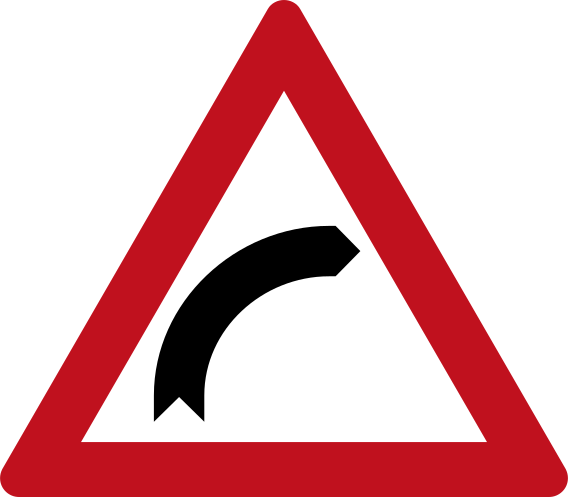
- Sharp Curve Right
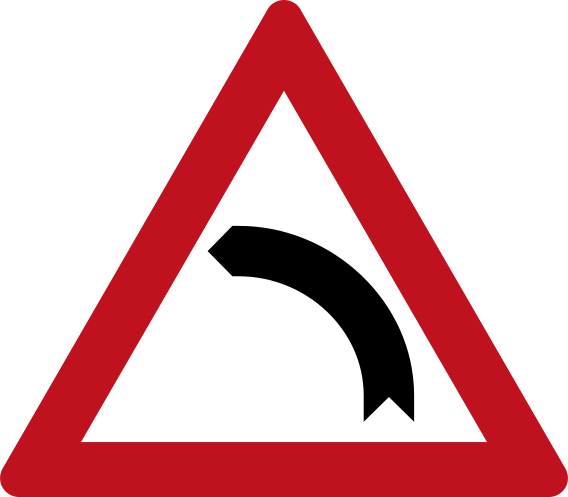
- Sharp Curve Left
- Curve Right Then Left
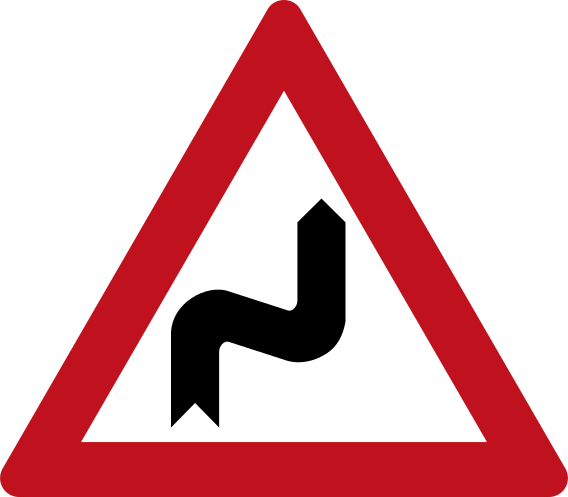
- Curve Left Then Right
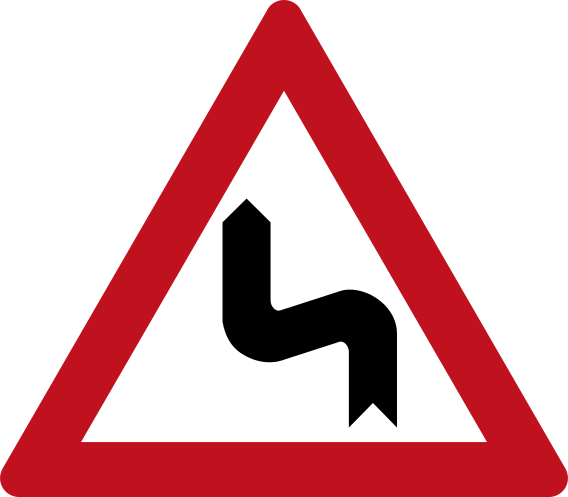
- Winding Road
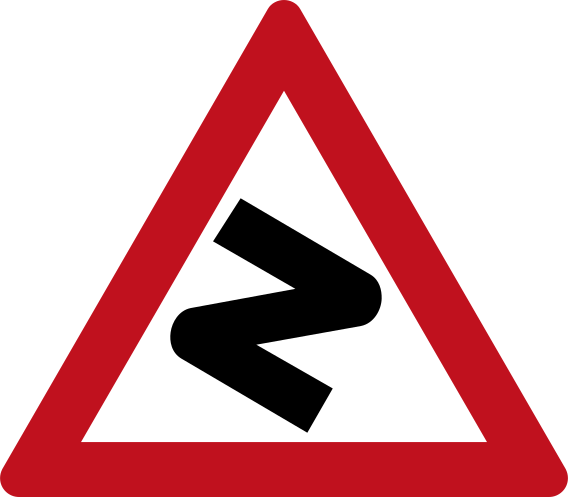
- Sharp curve left with guidance
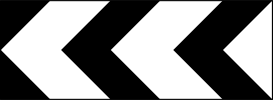
- Sharp curve right with guidance
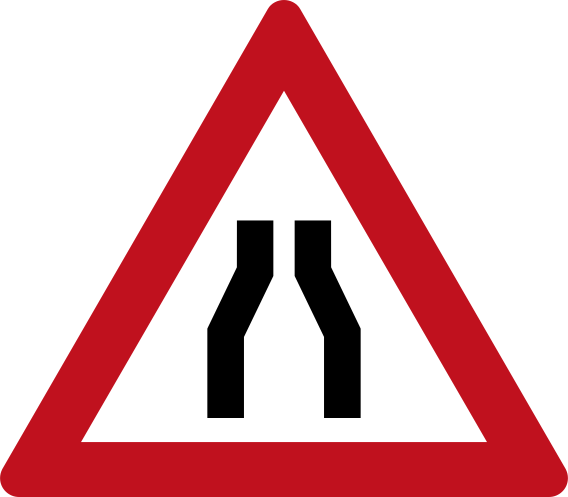
- Road Narrows
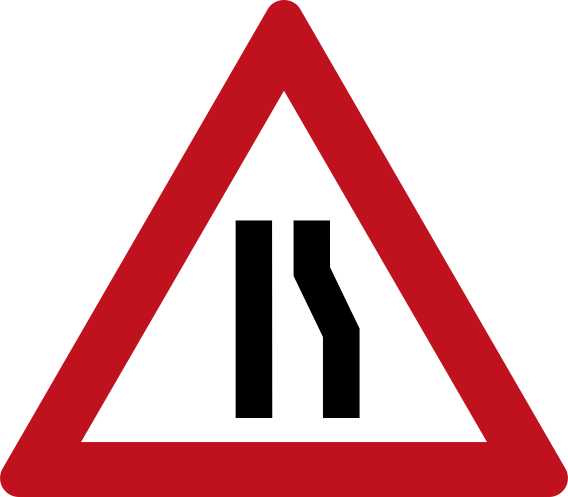
- Road Narrows on Right
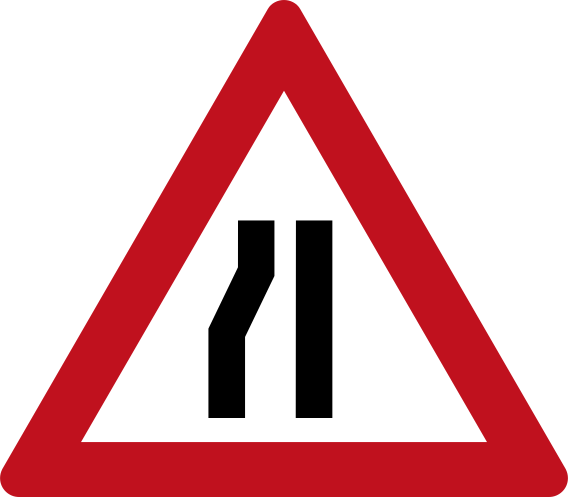
- Road Narrows on Left
- Narrow Passage or Obstacle
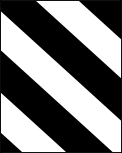
- Height Restriction - Clearance Below 4.80 Meters

- Crossroads
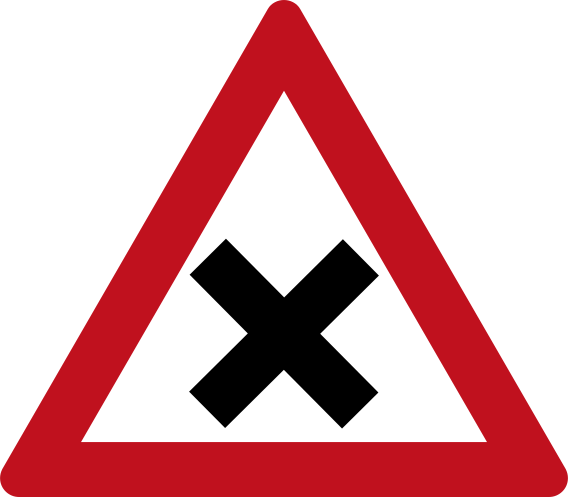
- T-Junction from Right
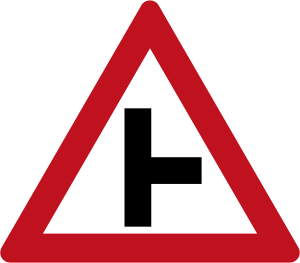
- T-Junction from Left
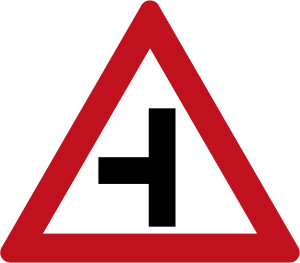
- T-Junction
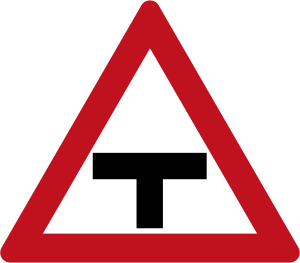
- T-junction with guidance
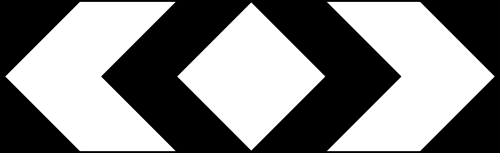
- T-Junction Right Then Left
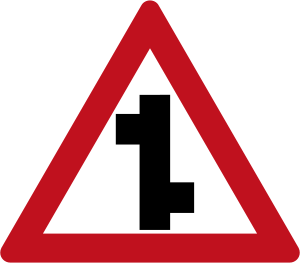
- T-Junction Left Then Right
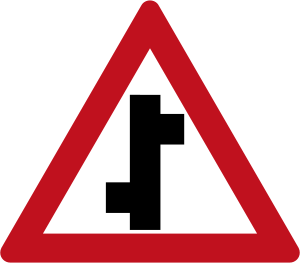
- Roundabout
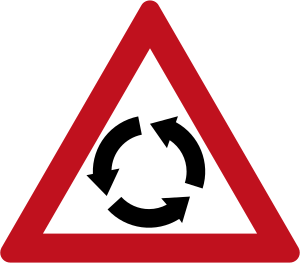
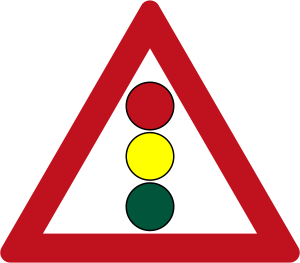
- Traffic Light
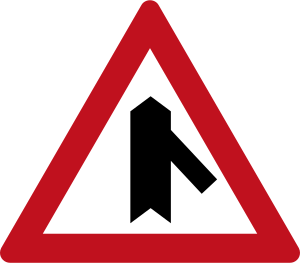
- Merge from Right Side Road
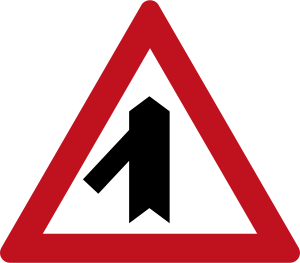
- Merge from Left Side Road
- Merge onto Priority Road from Right
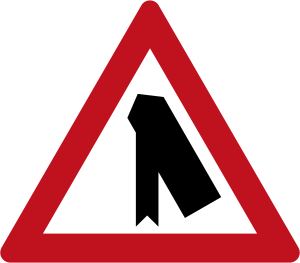
- Merge onto Priority Road from Left
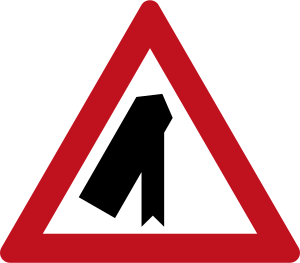
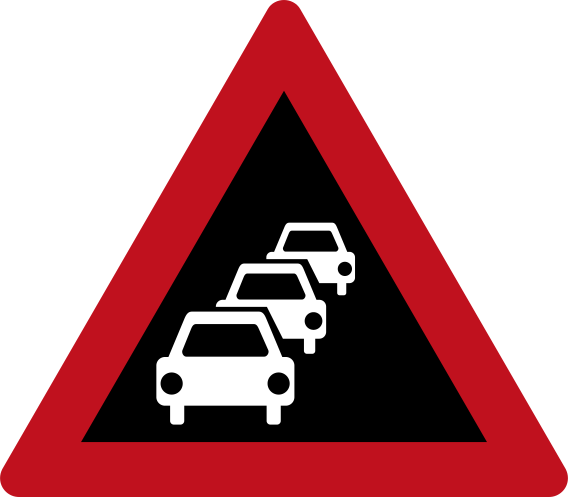
- Traffic Congestion Ahead
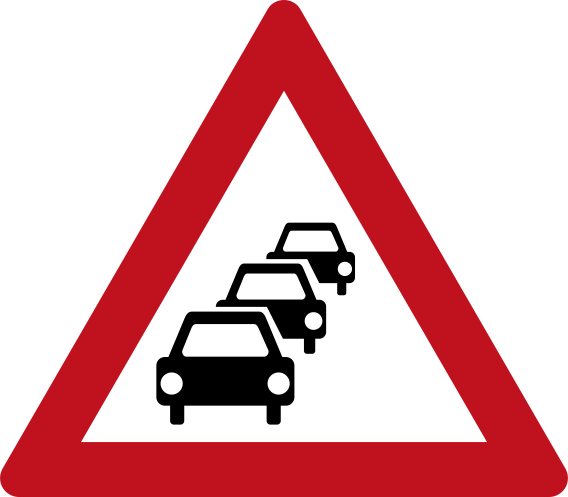
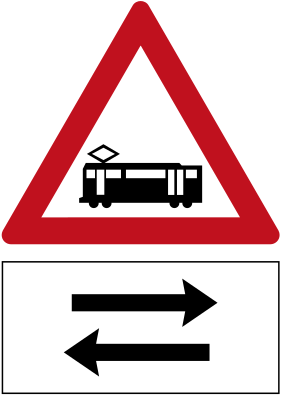
- Light Rail Crossing
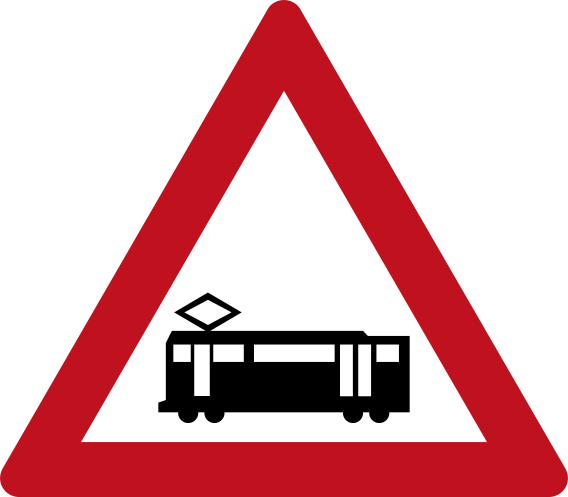
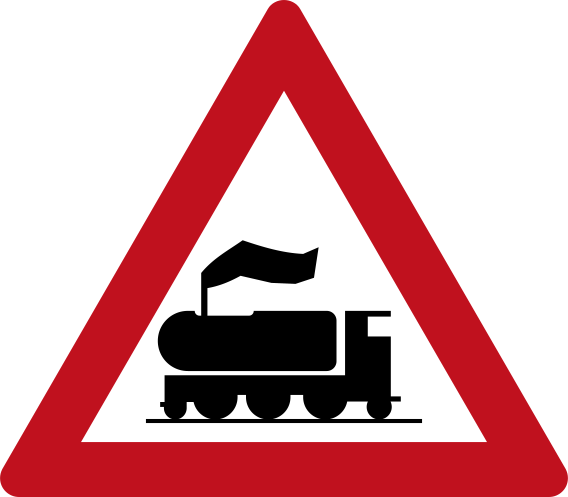
- Railway Crossing
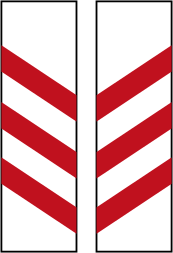
- Railway Crossing at Approximately 300 Meters
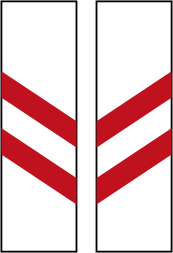
- Railway Crossing at Approximately 200 Meters
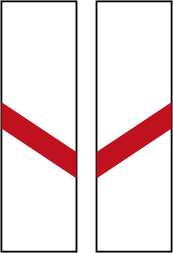
- Railway Crossing at Approximately 100 Meters
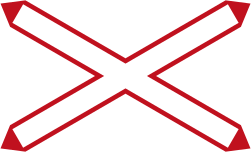
- Railway Crossing Location - Single Track
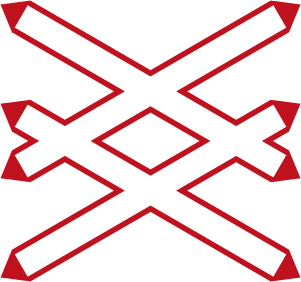
- Railway Crossing Location - Multiple Tracks
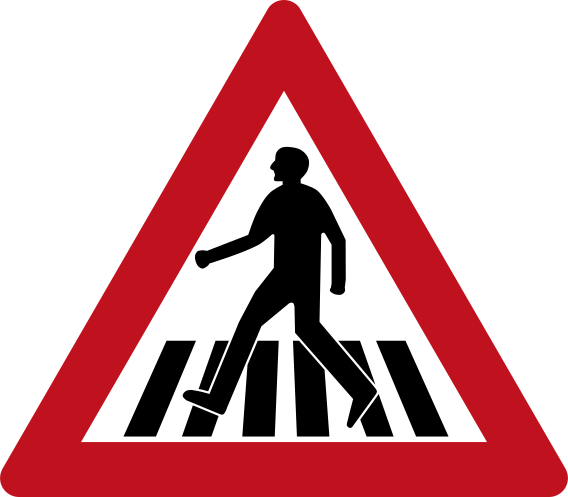
- Pedestrian Crossing Ahead
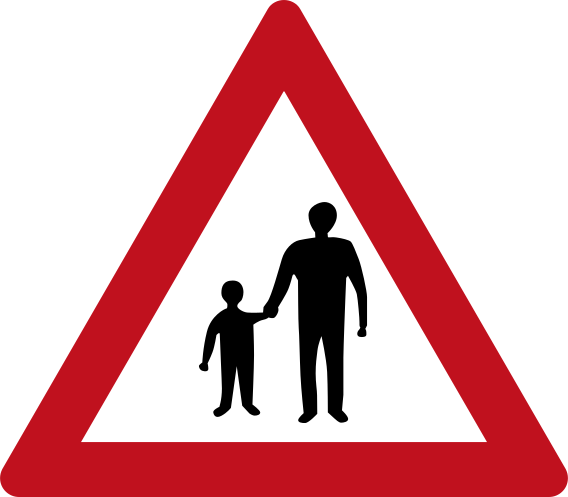
- Pedestrians Nearby
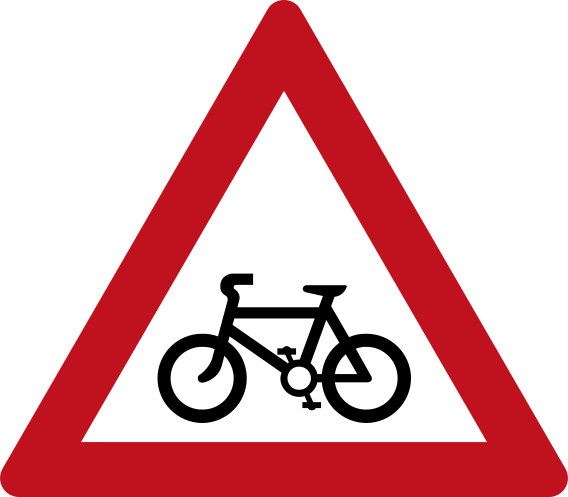
- Bicycles Nearby
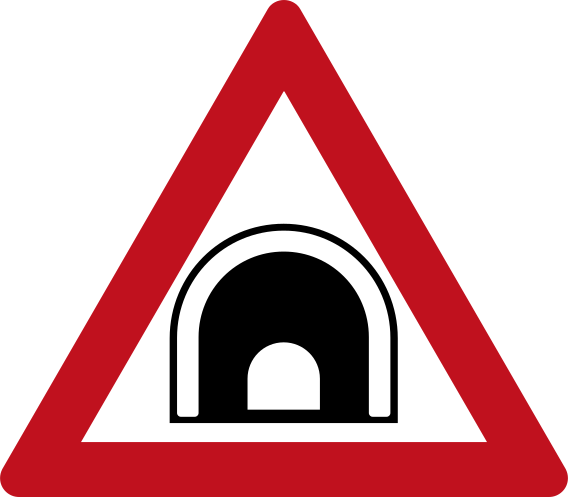
- Tunnel
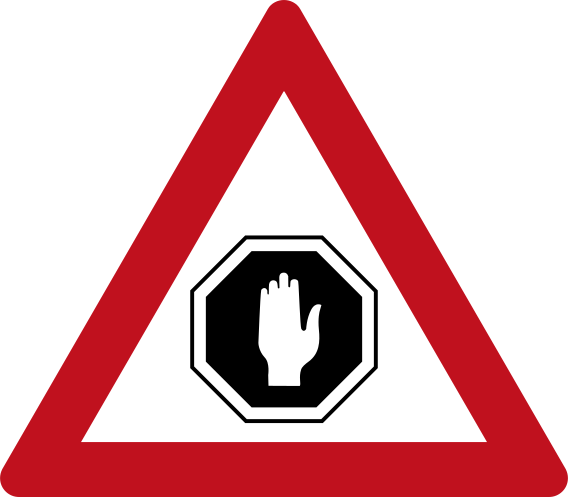
- Stop Sign 302 Ahead
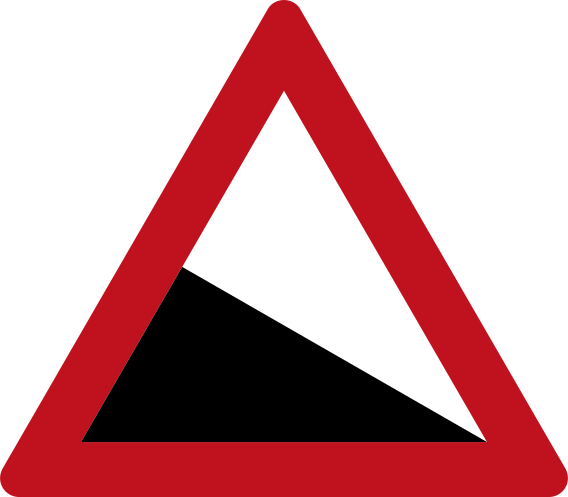
- Steep Descent
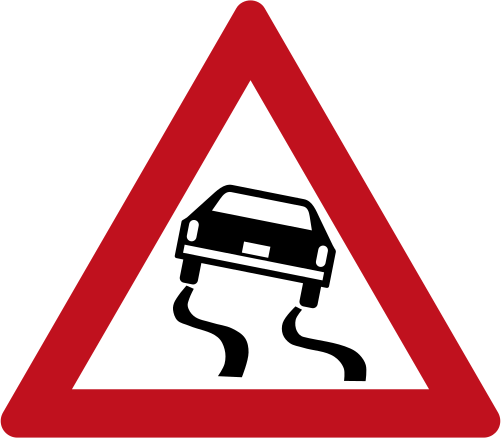
- Slippery Road
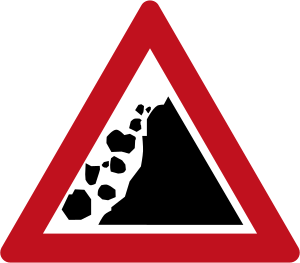
- Falling Rocks from Right
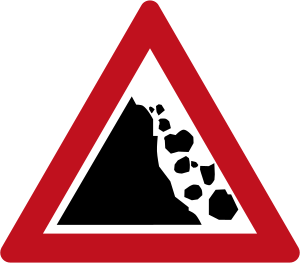
- Falling Rocks from Left
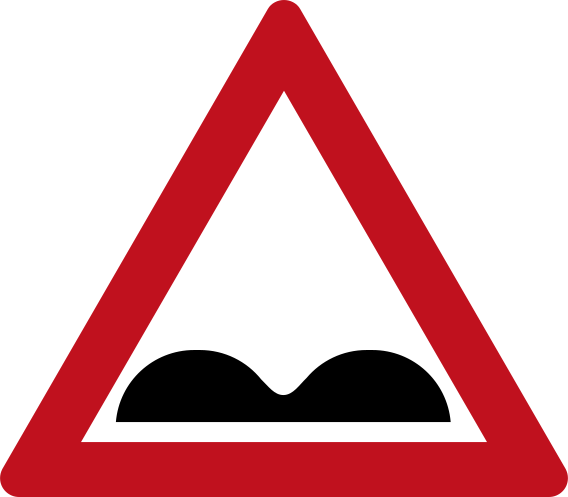
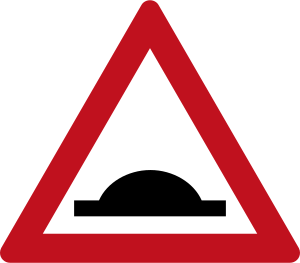
- Speed Bumps
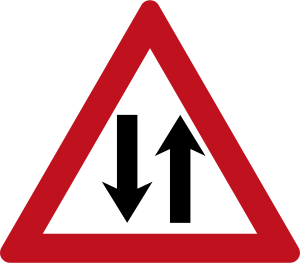
- Two-Way Traffic
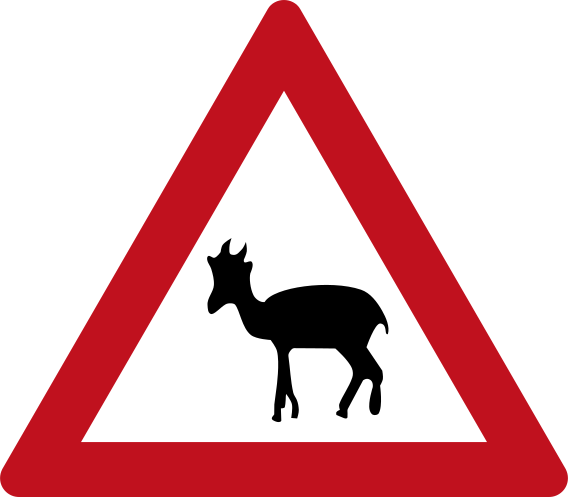
- Animals
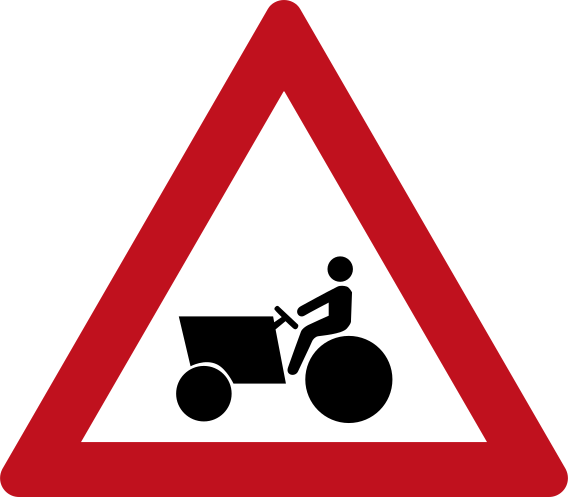
- Work Vehicle or Tractor Crossing
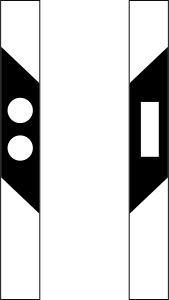
- Guide Posts at Roadside
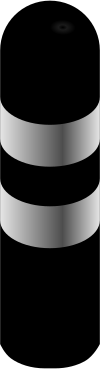
- Bollard for Guidance or Separation
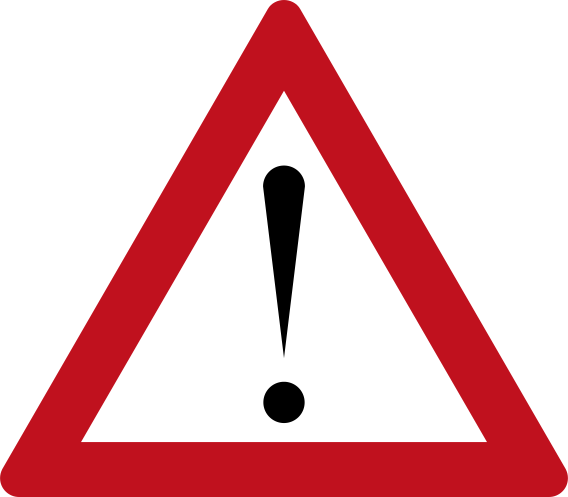
- Danger - No Specific Sign
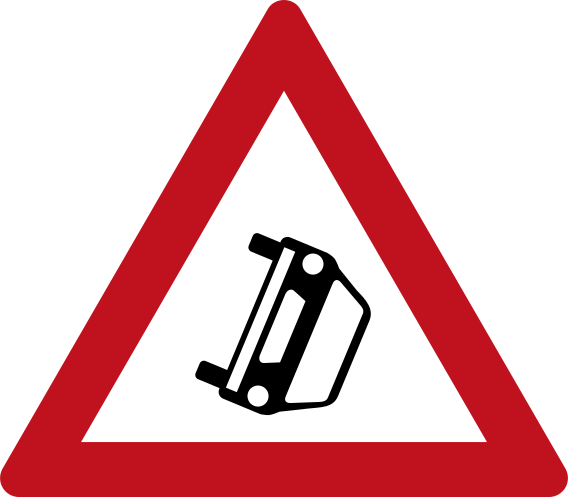
- Accident Ahead
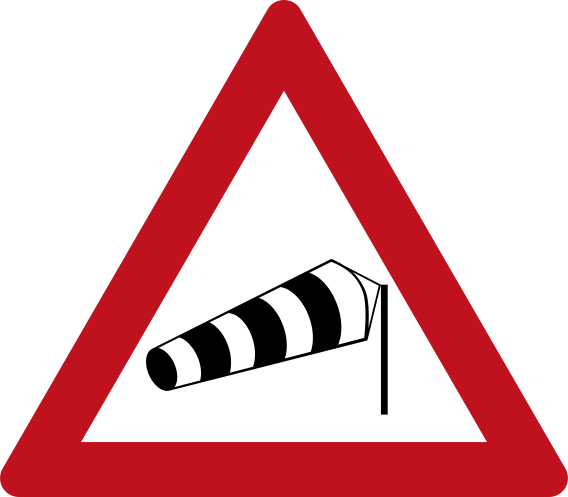
- Side Wind
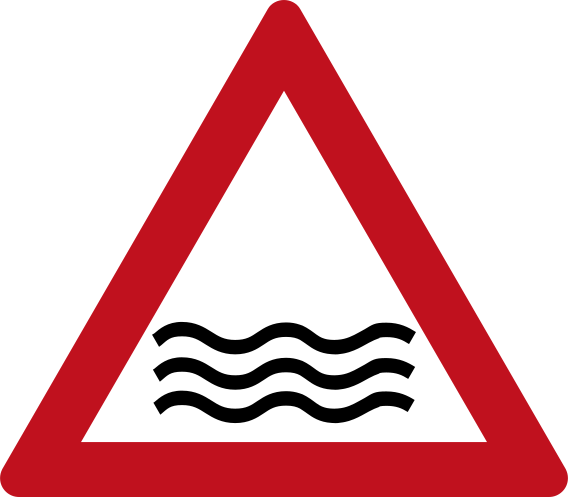
- Deep Water
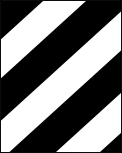
- Narrow Passage or Obstacle
- Traffic Congestion Ahead (Illuminated)
- Light Rail Crossing
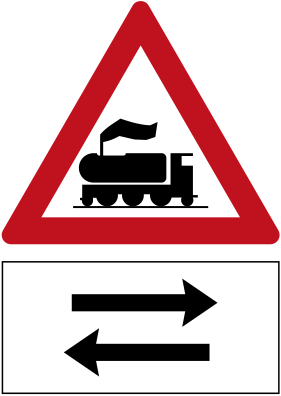
- Railway Crossing
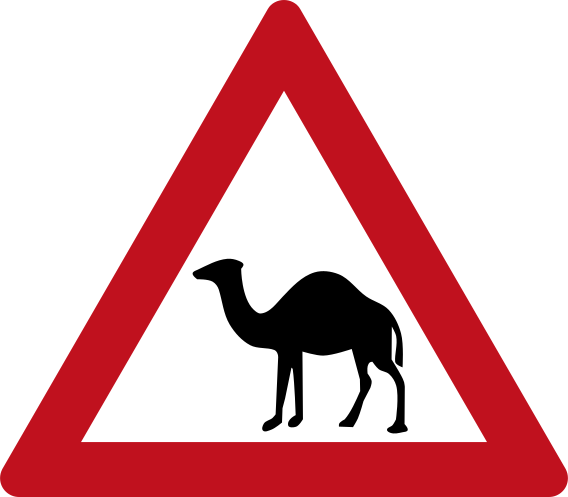
- Animals
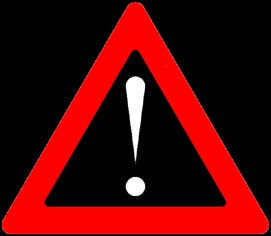
- Danger (Illuminated)
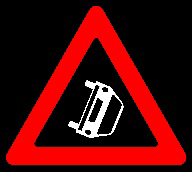
- Accident Ahead (Illuminated)
Signs
Study signsAbout these signs
Warning signs are the easiest family to spot by shape: an equal-sided triangle with a bold red border, the point facing up, a white field, and a single black symbol inside. They neither forbid nor command — they alert. Each one says 'pay attention, a hazard is coming': a sharp bend, a junction, a pedestrian crossing, a steep descent. The right response isn't to stop or turn, but to slow if needed, scan the road, and anticipate whatever the symbol promises lies beyond the triangle's point.
Inside the family the black symbol is everything. A curving line warns of a bend — and you must tell a right bend from a left bend, which are mirror images of each other. A walking figure announces a pedestrian crossing, two child figures warn that a school is near, a deer or a cow means an animal crossing. There are triangles for a slippery road, a road that narrows, a steep climb or descent (watch which way the slope falls), falling rocks, and an approaching level crossing.
With Move you learn them as one family until the red triangle instantly fires a 'slow down and read' reflex. In the sign library you see them side by side and drill the look-alike pairs — right versus left, children versus crossing. Every question comes with an explanation that ties the symbol to its hazard and the correct action, the smart review queue brings back the ones you confused, and the readiness meter shows when your recognition is instant. All free, in English or any of six languages.
Frequently asked questions
How do I tell a warning sign from a 'give way' or a prohibition sign?
By shape and direction. A warning sign is a triangle pointing up with a black symbol inside — it only alerts. 'Give way' is also a red triangle, but empty and inverted — its point faces down — and it already obliges you to yield. Prohibition signs are a red circle, and mandatory signs a blue circle. So if you see a red triangle with a picture, point up, it's a warning: read the symbol, slow if needed, but you are not required to stop.
Which pairs get confused most inside the warning family?
The first is right bend versus left bend — the very same curving line, just flipped; always follow which way the first edge turns. The second is steep climb versus steep descent — the same sloped triangle, differing only in which way the line falls. Learners also mix the pedestrian-crossing warning (a walking figure) with the children warning (two figures), and the various T-shaped junction signs. On Move you drill these pairs side by side until the difference jumps out.
How do I memorise the whole set of warning signs?
You don't memorise pictures — you read the symbol. The red border and the triangle already say 'hazard ahead', so all that's left is to decode the black drawing: a curving line is a bend, a figure is a pedestrian, an animal is an animal crossing, a slope is a climb or descent. Once you ask 'what's waiting beyond the point?', even a triangle you've never seen makes sense. On Move, repeated practice and the smart review queue make that reading instant.
How are warning signs tested, and can I study in my language?
In the test a picture of the triangle appears with a multiple-choice question about its meaning or the correct response — for instance what to do as you approach a bend or a pedestrian crossing. The symbol is international, but on Move the question wording and the explanation appear in six languages — Hebrew, Arabic, Russian, English, French and Spanish. Understand the hazards in your mother tongue, then practise in Hebrew to get used to the exam's phrasing.